

In a world where brands compete to capture consumers’ attention, it is crucial to stand out from the competition. The key lies in designing a coherent visual identity that reflects the values and personality of your brand. Visual identity is not limited to a simple logo; it includes all the visual elements that represent your brand, such as colors, typography, images, and communication materials.
By designing a coherent visual identity, you create a unified experience for your target audience, thereby strengthening brand recognition and establishing an emotional connection with your potential customers. This visual consistency also helps communicate your key messages effectively and reinforces the credibility of your brand.
To design a coherent visual identity, it is essential to understand your target audience and clearly define your brand. What are the distinctive traits of your brand? What messages and values do you want to communicate? By clarifying these aspects, you will be able to create a visual identity that resonates with your target audience and captures their interest.
In this article, we will explore the essential steps to design a coherent visual identity and attract the attention of your target audience. We will provide practical tips and inspiring examples to help you create a memorable and engaging visual identity for your brand. So, get ready to bring your brand to life!
A coherent visual identity is essential for your brand, as it helps you stand out from the competition and attract the attention of your target audience. It includes all the visual elements that represent your brand, such as colors, typography, images, and communication materials.

A strong visual identity contributes to brand recognition. Consumers are more likely to remember a brand that presents a consistent image. For example, the iconic Nike logo, with its famous “swoosh,” is instantly recognizable around the world. This recognition is crucial for establishing a presence in the market.
A coherent visual identity also creates an emotional connection with your target audience. Visual elements can evoke feelings and memories, which strengthens the attachment to your brand. For example, Coca-Cola uses images of sharing and togetherness to establish an emotional connection with its consumers.
A professional and consistent presentation strengthens the credibility of your brand. When a company invests in a well-crafted visual identity, it shows that it takes its image seriously. This can lead to greater trust from consumers. Luxury brands, such as Chanel, use a refined visual identity to reinforce their image of quality and exclusivity.
A successful visual identity relies on several key elements. First, your logo plays an essential role in creating a strong visual identity. It should be easily recognizable and represent the essence of your brand.
The logo is often the first point of contact between your brand and your customers. It should be simple, memorable, and representative of your company. Think of brands like Apple or McDonald’s, whose logos have become universal symbols.
Conseils pour un logo réussi :
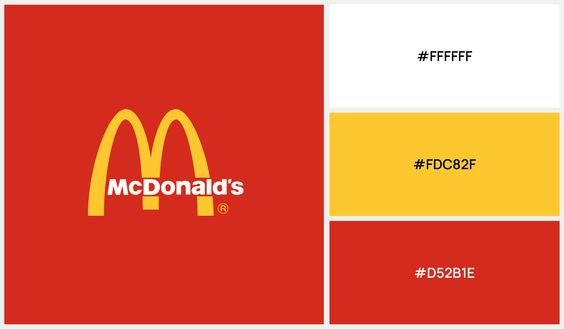
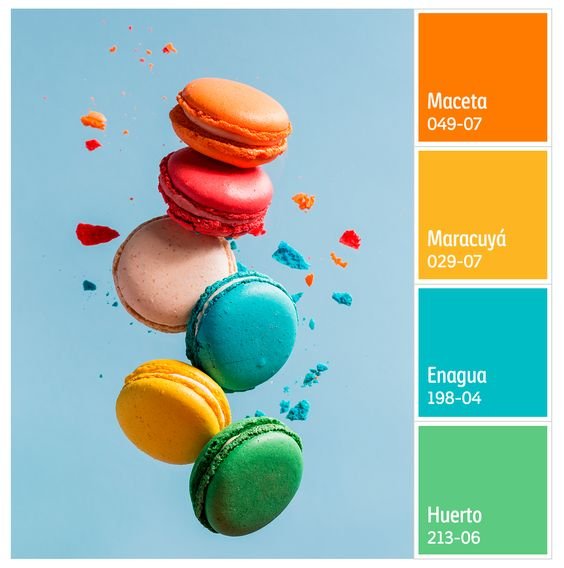
The colors you use are also very important. Colors convey emotions and meanings, so it is crucial to choose ones that match your brand and target audience.
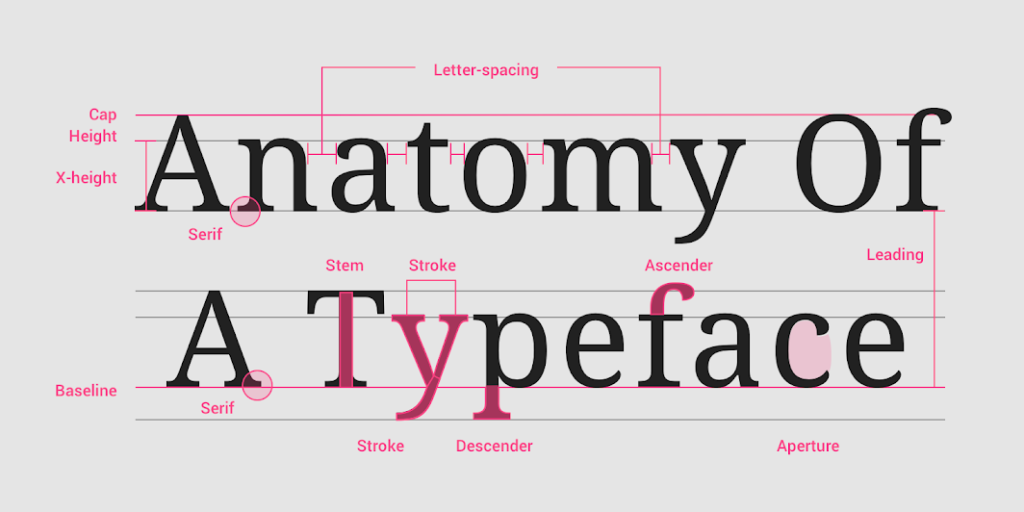
Typography is another essential element of your visual identity. It must be consistent and represent the image you want to project. A well-chosen typography can reinforce your brand’s message.
Choix de typographie :
The images you use, whether photographs, illustrations, or graphics, must align with your brand and your target audience. High-quality visuals strengthen the impact of your visual identity.
Colors play a crucial role in designing your visual identity for your brand. Each color carries meaning and symbolism that can influence how your brand is perceived by your target audience.
It is important to choose colors that match the image you want to project and the emotions you want to evoke in your target audience. For example, a brand focused on wellness might opt for soft and soothing shades, while a brand in sports could choose bright and dynamic colors.
Additionally, it is important to use colors consistently across all communication materials of your brand to strengthen visual recognition. This includes your website, social media, brochures, and advertisements.
Choosing the right visual elements to represent your brand is crucial for creating a coherent visual identity. First, it is important to understand the values and messages of your brand.
What is the story behind your brand? What sets it apart from others? By understanding these aspects, you can choose visual elements that reflect the essence of your brand and resonate with your target audience.
Examples of visual elements:
The design of a visual identity is constantly evolving, and it is important to follow current trends to stay up to date. Among the current trends are:
Your visual identity must be adaptable to different communication channels, such as your website, social media, and printed materials. Each medium has its own constraints and specifics, so it is important to adjust your visual identity accordingly.
On a digital medium, you can use animations, videos, or visual effects to make your visual identity more dynamic. For example, brands like Dropbox use animations to explain their services in an engaging way.
On a print medium, you need to consider printing constraints, such as CMYK colors and image resolution. Make sure your visual identity is just as effective on paper as it is on screen.
To capture the attention of your target audience with your visual identity, it is essential to create impactful and memorable visuals.
When designing a visual identity, it is important to avoid common mistakes that could undermine the effectiveness of your brand.
Creating a coherent visual identity for your brand involves several key steps.
In conclusion, a coherent visual identity is essential for your brand, as it strengthens brand recognition, establishes an emotional connection with your target audience, and effectively communicates your key messages. To create a coherent visual identity, it is important to understand your target audience, define your brand, and choose the right visual elements.
By adapting your visual identity to different media and avoiding common mistakes, you will capture the attention of your target audience and enhance the impact of your brand. So, don’t wait any longer—bring your brand to life by creating a coherent and appealing visual identity.
Share it

MonDesign Web, your digital marketing agency, dedicated to guiding you to the pinnacle of your online success.



We use cookies to improve your experience on our site. By using our site, you consent to cookies.
Websites store cookies to enhance functionality and personalise your experience. You can manage your preferences, but blocking some cookies may impact site performance and services.
Essential cookies enable basic functions and are necessary for the proper function of the website.
These cookies are needed for adding comments on this website.
Statistics cookies collect information anonymously. This information helps us understand how visitors use our website.
Google Analytics is a powerful tool that tracks and analyzes website traffic for informed marketing decisions.
Service URL: policies.google.com
Marketing cookies are used to follow visitors to websites. The intention is to show ads that are relevant and engaging to the individual user.
Facebook Pixel is a web analytics service that tracks and reports website traffic.
Service URL: www.facebook.com
 #!trpst#trp-gettext data-trpgettextoriginal=1947#!trpen#Optimized by #!trpst#trp-gettext data-trpgettextoriginal=1946#!trpen#Seraphinite Accelerator#!trpst#/trp-gettext#!trpen##!trpst#/trp-gettext#!trpen#