

Optimizing user experience is essential for the success of a website or an application. And that’s where artificial intelligence (AI) comes into play. In this article, we will explore how AI can improve UI/UX design, and thus deliver an exceptional user experience.
AI makes it possible to analyze user behavior, collect valuable data about their preferences, and provide personalized recommendations. Thanks to this information, designers can create more intuitive and engaging user interfaces that meet users’ specific expectations.
Moreover, AI can automate certain repetitive tasks related to UI/UX design, allowing designers to focus on more creative and strategic aspects. This can accelerate the design process and significantly improve the team’s efficiency.
In summary, artificial intelligence offers numerous possibilities for optimizing user experience. By using collected data and automating certain tasks, designers can create intuitive and engaging interfaces tailored to users’ needs and expectations. So, why not take advantage of AI to improve the design of your website or application?
Artificial intelligence (AI) in UI/UX design refers to the use of advanced technologies to improve the interaction between users and digital interfaces. This includes the analysis of behavioral data, machine learning, and algorithms that enable the personalization of the user experience. By integrating AI into the design process, designers can better understand user preferences and adapt interfaces accordingly. This makes it possible to create more intuitive digital environments.
AI can analyze vast amounts of data in record time, identifying behavioral patterns that might escape human observation. For example, it can detect moments when users abandon a task or experience difficulties.
Thanks to this information, design teams can make precise adjustments to improve user engagement and satisfaction. This continuous optimization process is essential for staying competitive in a constantly evolving digital market.
Moreover, AI can also contribute to the creation of prototypes and mockups by automating certain design tasks. This allows designers to focus on more creative elements, such as aesthetics and ergonomics, rather than on repetitive tasks.
In summary, artificial intelligence plays a crucial role in UI/UX design by making interfaces more adaptive and user-centered.
Integrating artificial intelligence into UI/UX design offers numerous significant advantages. First, AI enables enhanced personalization of the user experience. By analyzing past behaviors and preferences, AI-powered systems can recommend content, products, or features that match each user’s specific interests. This helps create a unique and engaging experience, thereby increasing user satisfaction and loyalty.
Ensuite, l’IA facilite également la prise de décision basée sur des données concrètes. Les concepteurs peuvent utiliser des analyses prédictives pour anticiper les besoins des utilisateurs et ajuster l’interface en conséquence. Par exemple, si une application détecte une diminution de
l’activité des utilisateurs, elle peut suggérer des modifications pour améliorer l’engagement. Cela réduit les risques liés à la conception et permet d’optimiser les ressources en se concentrant sur des solutions qui ont fait leurs preuves.
Finally, AI can automate various tasks in the design process, thereby increasing team efficiency. AI-powered tools can automatically generate mockups, test design variations, and evaluate the impact of changes. This allows designers to free up time to focus on more strategic and creative aspects, improving the overall quality of the final product. In short, using AI in UI/UX design promotes a more user-centered approach while enhancing the efficiency of design processes.
There are several link building techniques you can use to obtain high-quality SEO backlinks. One of the most common methods is creating high-quality content that naturally attracts links. When you produce well-written articles, case studies, or high-value infographics, other websites are more likely to share them and link to your content. This requires a creative approach and a strong understanding of your target audience’s needs.
Another effective technique is guest blogging. This involves writing articles for other blogs in your field, including links back to your own website. Not only does this help you gain backlinks, but it also allows you to reach a new audience and establish your authority in your niche. It’s essential to choose blogs with a strong reputation and relevance to your industry to maximize the impact of this strategy. For in-depth tips on guest blogging, check out this article on Ahrefs.
Finally, seeking partners for link exchanges can also be an effective method. By building relationships with other websites, you can negotiate link exchange agreements that benefit both parties. However, it is crucial to ensure that these links are relevant and of high quality, as search engines penalize abusive linking practices. To maximize the effectiveness of this strategy, focus on authentic and trustworthy relationships.
Artificial intelligence (AI) is playing an increasingly central role in the field of UI/UX design, enabling designers to create more intuitive and effective experiences.
Here’s an overview of the main applications of AI in this field:
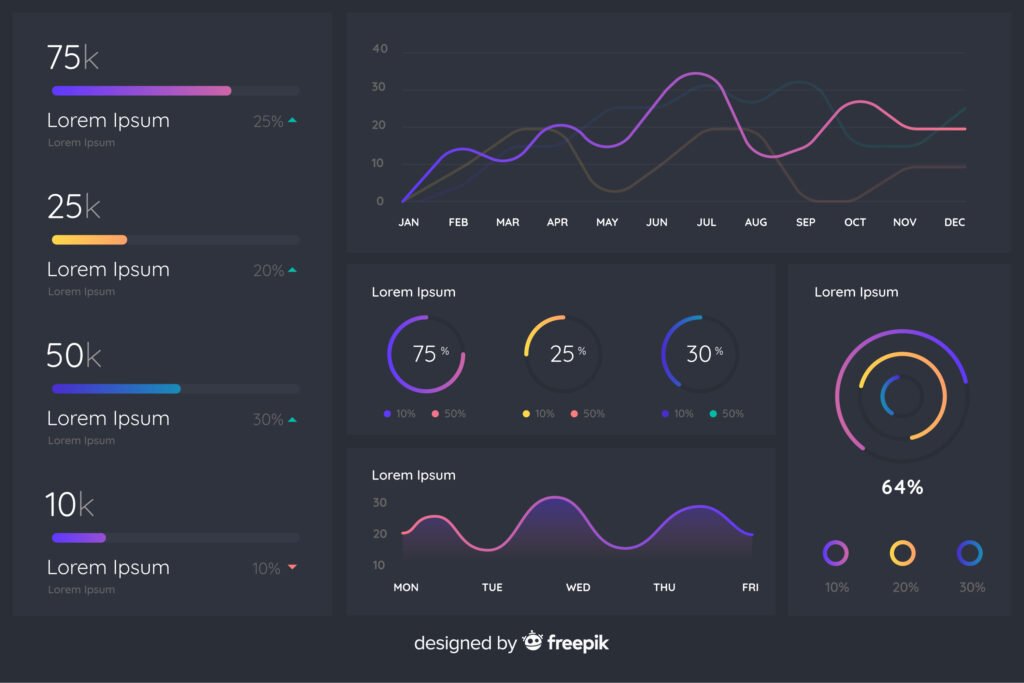
One of the most common applications of AI is user data analysis to refine the interface. With AI-based analytics tools such as Hotjar or Crazy Egg, designers can collect and examine valuable information about user behavior: clicks, time spent on a page, and navigation paths. This data helps identify friction points and make targeted improvements to create a smoother and more satisfying user experience.
AI-powered chatbots, such as those offered by Google Dialogflow or OpenAI ChatGPT, allow users to interact with interfaces in a natural and dynamic way. These virtual assistants can answer questions, guide users, and provide instant support, significantly enhancing the user experience while relieving support teams of repetitive tasks. Moreover, thanks to machine learning, these chatbots can adapt and provide increasingly relevant responses over time.

AI also paves the way for generative design, where algorithms automatically create designs based on specific criteria. Tools like RunwayML and Adobe Sensei allow designers to generate multiple design options in a short time, boosting creativity and expanding their range of possibilities.
Finally, AI helps make interfaces more accessible by ensuring they meet the needs of a diverse audience, including people with disabilities. Tools such as Accessibility Insights assist designers in evaluating the accessibility of their digital products and making the necessary adjustments.
These applications show how artificial intelligence is transforming UI/UX design, enabling designers to create more optimized, inclusive, and innovative experiences.
Finally, AI helps make interfaces more accessible by ensuring they meet the needs of a diverse audience, including people with disabilities. Tools such as Accessibility Insights assist designers in evaluating the accessibility of their digital products and making the necessary adjustments.
These applications show how artificial intelligence is transforming UI/UX design, enabling designers to create more optimized, inclusive, and innovative experiences.
To make the most of artificial intelligence in UI/UX design, it is essential to adopt certain best practices. First, it is crucial to define clear objectives for using AI. Design teams need to understand what they hope to achieve, whether it’s improving personalization, optimizing design processes, or increasing user satisfaction. Well-defined goals help align the team’s efforts with measurable and concrete results.
Next, it is important to involve users in the design process. AI can provide valuable insights, but nothing replaces direct feedback from users. By conducting user tests and collecting feedback, designers can ensure that AI-based solutions truly meet users’ needs and expectations. This also helps prevent potential biases in AI algorithms, thus ensuring a fairer user experience.
Finally, continuous training is essential for design professionals. AI is evolving rapidly, and it is crucial for designers to stay up to date with the latest trends and technologies. Participating in workshops, webinars, and online courses can help designers acquire new skills and learn how to effectively integrate AI into their workflow.
By following these best practices, teams can maximize the impact of artificial intelligence on UI/UX design.
To make the most of artificial intelligence in UI/UX design, it is essential to adopt certain best practices. First, it is crucial to define clear objectives for using AI. Design teams need to understand what they hope to achieve, whether it’s improving personalization, optimizing design processes, or increasing user satisfaction. Well-defined goals help align the team’s efforts with measurable and concrete results.
Next, it is important to involve users in the design process. AI can provide valuable insights, but nothing replaces direct feedback from users. By conducting user tests and collecting feedback, designers can ensure that AI-based solutions truly meet users’ needs and expectations. This also helps prevent potential biases in AI algorithms, ensuring a fairer user experience.
Finally, continuous training is essential for design professionals. AI is evolving rapidly, and it is crucial for designers to stay up to date with the latest trends and technologies. Participating in workshops, webinars, and online courses can help designers acquire new skills and learn how to effectively integrate AI into their workflow. By adopting these best practices, teams can maximize the impact of artificial intelligence on UI/UX design.
Despite the numerous advantages of artificial intelligence in UI/UX design, there are also challenges and limitations to consider. One of the main challenges is data management. For AI to function effectively, it requires large volumes of high-quality data. This means that companies must not only collect this data but also ensure its accuracy and relevance. Additionally, user privacy protection is a major concern, and designers must navigate a complex regulatory landscape to avoid potential violations.
Another challenge is the risk of over-reliance on AI technologies. While AI can enhance efficiency and personalization, it is important not to overlook the human element in design. Designers must ensure that interfaces remain intuitive and accessible, even when complex algorithms are at work. An overly automated approach can lead to impersonal user experiences, which may negatively impact user satisfaction and loyalty.
Finally, there are also technical limitations related to AI. Although algorithms can process data quickly, they cannot always understand the context or nuances of human interactions. This can lead to inappropriate recommendations or design errors. Design teams must therefore be aware of AI’s limitations and ensure that final decisions are always guided by user-centered design principles.
The future trends of artificial intelligence in UI/UX design are promising and constantly evolving. One of the main trends is the increased use of machine learning to further personalize user experiences. Algorithms will become increasingly sophisticated, capable of predicting users’ needs even before they express them. This will enable the creation of even more intuitive interfaces that dynamically adapt to users’ behaviors and preferences.
Another emerging trend is the integration of AI into voice and conversational design. With the rise of voice assistants and voice-based interfaces, designers will need to rethink their approaches to include natural voice interactions. AI will play a key role in understanding voice commands and creating smooth, engaging user experiences. This will open new avenues for UI/UX design, making interfaces more accessible to a wider audience.
Finally, AI will be increasingly used to enhance the accessibility of digital interfaces. AI technologies, such as image recognition and natural language processing, can help create more inclusive user experiences for people with disabilities.
For example, algorithms can be developed to translate text into sign language or provide audio descriptions of visual content. These advancements will help ensure that digital products are accessible to everyone, regardless of their abilities.
For design professionals who want to get familiar with artificial intelligence, many resources and training programs are available. Online platforms like Coursera, Udemy, and LinkedIn Learning offer courses on AI applied to UI/UX design. These courses cover a variety of topics, from the basics of AI to its practical integration into design projects. They also provide case studies and hands-on exercises to help learners apply their knowledge effectively.
Additionally, workshops and conferences on artificial
intelligence in design are regularly organized. These events allow professionals to meet, exchange ideas, and discover the latest trends and technologies. Attending these events can also provide valuable networking opportunities, enabling connections with other industry experts and the sharing of experiences.
Finally, it is essential to follow blogs, podcasts, and academic publications on AI and design. Platforms like Medium, Smashing Magazine, and A List Apart regularly publish articles on innovations in design and artificial intelligence. By staying informed about the latest research and trends, design professionals can remain up to date and effectively integrate AI into their work.
In conclusion, artificial intelligence is radically transforming the landscape of UI/UX design. By enabling greater personalization, process optimization, and a better understanding of users, AI offers numerous opportunities to enhance the user experience. However, it is essential to approach its integration with caution, taking into account the associated challenges and limitations.
Designers must commit to using AI ethically and responsibly, ensuring that the solutions developed truly meet users’ needs. By combining artificial intelligence with a user-centered approach, it is possible to create digital interfaces that not only meet expectations but exceed them. Future trends, such as improved accessibility and the integration of AI into voice interactions, promise to make UI/UX design even more innovative and inclusive.
For those who want to dive into the world of AI and design, many resources and training programs are available. By investing in learning and staying curious, design professionals can continue to grow and adapt to this dynamic landscape. The future of UI/UX design, powered by artificial intelligence, is promising and full of possibilities.

MonDesign Web, your digital marketing agency, dedicated to guiding you to the pinnacle of your online success.



We use cookies to improve your experience on our site. By using our site, you consent to cookies.
Websites store cookies to enhance functionality and personalise your experience. You can manage your preferences, but blocking some cookies may impact site performance and services.
Essential cookies enable basic functions and are necessary for the proper function of the website.
These cookies are needed for adding comments on this website.
Statistics cookies collect information anonymously. This information helps us understand how visitors use our website.
Google Analytics is a powerful tool that tracks and analyzes website traffic for informed marketing decisions.
Service URL: policies.google.com
Marketing cookies are used to follow visitors to websites. The intention is to show ads that are relevant and engaging to the individual user.
Facebook Pixel is a web analytics service that tracks and reports website traffic.
Service URL: www.facebook.com
 #!trpst#trp-gettext data-trpgettextoriginal=1947#!trpen#Optimized by #!trpst#trp-gettext data-trpgettextoriginal=1946#!trpen#Seraphinite Accelerator#!trpst#/trp-gettext#!trpen##!trpst#/trp-gettext#!trpen#