

In today’s era of online content overload, it is essential for businesses to find ways to stand out and create memorable experiences for their audience. This is where user-generated content (UGC) comes into play. By leveraging what your users create and share, you can strengthen the impact of your UGC strategy.
UGC offers numerous benefits for brands. It helps build trust with the audience by showing that you value their opinions and participation. Additionally, UGC is often more authentic and relatable than internally created content, which can boost user engagement and loyalty.
In this article, we will explore how to leverage UGC to optimize your content strategy. We will discuss the different forms of user-generated content, best practices for integrating it into your strategy, and the tools available to help you manage and optimize UGC.
Discover how UGC can help you create an unforgettable content experience for your audience and stand out from the competition. Highlight your users’ contributions and take advantage of the many benefits offered by this innovative content strategy.
User-generated content, often abbreviated as UGC (User Generated Content), refers to any type of content created by individuals other than the brand itself. This can include reviews, testimonials, photos, videos, blog posts, or even social media posts. UGC is typically produced by customers, fans, or users connected to the brand, making it an authentic and unfiltered form of communication. This authenticity is one of the main appeals of UGC, as it reflects the real experiences of users.
Additionally, UGC can take many forms, ranging from simple product comments to creative campaigns where consumers are invited to share their experiences with the brand. For example, a user might post a photo of a product on Instagram using a specific hashtag, or a video showing how they use the product in their daily life. These contributions create a wealth of content that brands can leverage to enhance their own communication strategy.
UGC is not limited to a single type of product or service. It can be applied across various industries, including fashion, beauty, technology, food, and travel. Regardless of the sector, user-generated content provides a unique opportunity for brands to connect with their audience in a more personal and authentic way. By integrating UGC, businesses can not only diversify their content but also strengthen their credibility by leveraging customer testimonials and experiences.

The importance of UGC in a content strategy lies in its ability to build trust between the brand and its consumers. In a world where consumers are increasingly skeptical of traditional advertising messages, UGC provides a realistic and authentic view of products or services. Potential customers are more likely to trust real testimonials and experiences shared by their peers than advertisements that may seem exaggerated. By incorporating UGC elements, brands can establish a stronger connection with their audience.
Additionally, UGC can boost user engagement. By encouraging customers to share their experiences and interact with the brand, businesses can create an active community around their product. This goes beyond just content creation, extending to conversation and interaction, which can lead to increased brand loyalty. Customers who feel involved in content creation are often more likely to become brand ambassadors.
Finally, UGC can also have a positive impact on SEO and online visibility. Search engines favor fresh and authentic content, and UGC can help create a steady stream of new information about a brand. By incorporating user testimonials and reviews, brands can improve their search engine rankings, thereby attracting increased organic traffic to their website.
One of the main advantages of using UGC is the authenticity it brings to a brand’s content strategy. User-created content is perceived as more honest and less biased than traditional marketing messages. This allows consumers to feel more confident when interacting with the brand, often leading to higher conversion rates. User testimonials and reviews can serve as social proof, significantly influencing purchasing decisions.
Another advantage lies in the increased engagement that UGC provides. By soliciting and sharing their users’ creations, brands can strengthen their community and encourage participation. This can also foster a sense of belonging among customers, motivating them to return and interact continuously. The more valued users feel, the more likely they are to recommend the brand to friends and family, thereby increasing organic reach.
Additionally, UGC can be an effective way to reduce content creation costs. Instead of constantly investing in expensive advertising campaigns or content productions, brands can leverage contributions from their users. This not only saves resources but also enriches content in a diverse way, showcasing different perspectives and experiences. It can also lead to more dynamic and responsive campaigns based on what the audience is actually creating.
Identifying the user-generated content that is most relevant for your brand requires a strategic approach. First, it is essential to define clear criteria for what you consider “good” content. This can include elements such as the quality of images or videos, relevance to your brand, the engagement it generates, or how well it reflects your brand values and messaging. By having a clear vision of what you are looking for, you can more effectively select content that resonates with your audience.
Next, it is important to regularly monitor the platforms where your audience is active. This includes social media, blogs, and even review sites. Use social listening tools to track mentions of your brand and identify users who share positive content. This will allow you to discover new brand ambassadors and spot content that can be highlighted in your own communication strategy.
Finally, don’t underestimate the power of hashtags and contests. By creating specific campaigns where users are encouraged to share their content with a unique hashtag, you can easily gather a wealth of UGC. This not only creates a pool of content you can use but also fosters a dynamic environment where users feel motivated to participate. Be sure to clearly define the rules and communicate how the content will be used to avoid any confusion.

To encourage user-generated content creation, it is essential to foster an environment that promotes engagement. This begins with setting up interactive campaigns that motivate users to share their experiences. For example, you can organize contests where participants submit photos or videos of how they use your product. Offering attractive rewards or featuring submissions can motivate users to participate and create high-quality content.
Another effective practice is to make sharing easier. Ensure that your users know how to share their content and feel supported in the process. This can include creating guides on how to take appealing photos of your products or providing social media post templates. The easier it is for a user to share their content, the more likely they are to do so.
Finally, don’t forget to showcase user-generated content by featuring it on your own platforms. When sharing user content, be sure to properly credit the creator. This demonstrates that you value their contribution and encourages them to keep creating. Additionally, it can inspire other users to do the same, creating a virtuous cycle of content creation.
Integrating UGC into your existing content strategy requires a thoughtful approach. First, assess the communication channels you are already using and identify opportunities where UGC can be added. For example, if you have a blog, consider including user testimonials or case studies based on customer-generated content. This can enrich your articles and provide an authentic perspective that resonates with your readers.
Next, consider how you can use UGC in your marketing campaigns. This could include using user photos in advertisements or sharing videos of satisfied customers on your social media channels. When creating promotional content, incorporating UGC elements can give your brand a more human and approachable feel. It also demonstrates that you value your customers’ experiences.
Finally, don’t forget to measure the impact of UGC on your audience. Use analytics tools to track engagement, shares, and conversions related to user-generated content. This will help you adjust your strategy based on the results and better understand how UGC influences your brand perception. By continually refining your approach, you can maximize the benefits of this dynamic strategy.
To effectively manage user-generated content, several tools and platforms can be helpful. First, social media management tools, such as Hootsuite or Buffer, allow you to monitor mentions of your brand and engage with users. These platforms help you centralize your communication efforts and quickly identify high-quality content that you want to highlight.
Next, there are specific tools to collect and display UGC. Platforms like Taggbox or Yotpo allow you to gather user contributions from various social networks and easily integrate them into your website or marketing campaigns. These tools not only simplify content management but also enable you to select the most engaging content and showcase it in an attractive way.
Finally, do not underestimate the importance of analysis. Tools like Google Analytics and the built-in social media analytics can help you track the impact of UGC on your marketing goals. By monitoring the performance of user-generated content, you can adjust your strategy to maximize engagement and conversions, while continuing to highlight your community’s contributions.
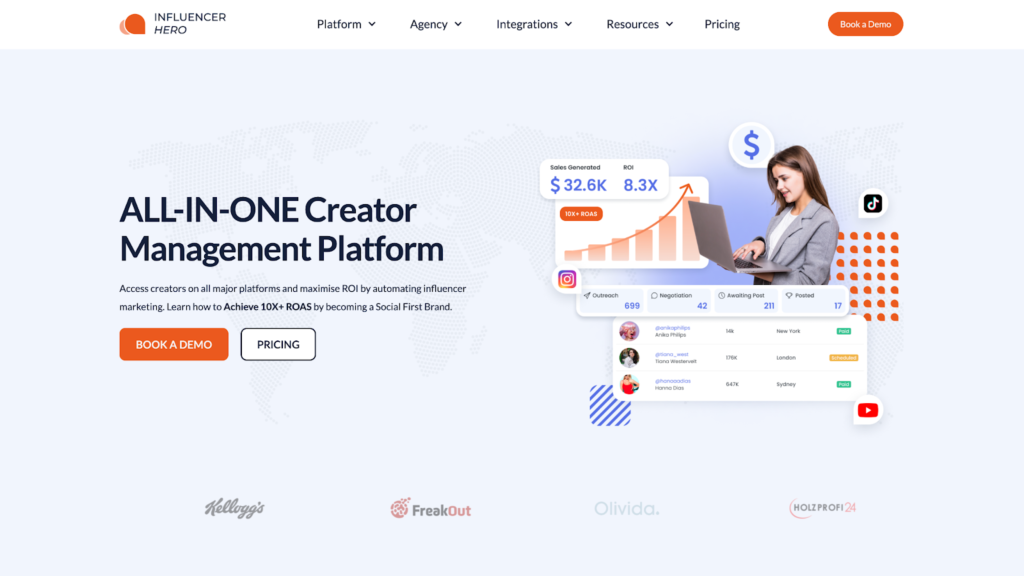
To effectively manage user-generated content, several tools and platforms can be helpful. First, social media management tools, such as Hootsuite or Buffer, allow you to monitor mentions of your brand and engage with users. These platforms help you centralize your communication efforts and quickly identify high-quality content that you want to highlight.
Next, there are specific tools to collect and display UGC. Platforms like Taggbox or Yotpo allow you to gather user contributions from various social networks and easily integrate them into your website or marketing campaigns. These tools not only simplify content management but also enable you to select the most engaging content and showcase it in an attractive way.
Finally, do not underestimate the importance of analysis. Tools like Google Analytics and the built-in social media analytics can help you track the impact of UGC on your marketing goals. By monitoring the performance of user-generated content, you can adjust your strategy to maximize engagement and conversions, while continuing to highlight your community’s contributions.
One of the iconic brands that successfully leveraged UGC is Coca-Cola with its "Share a Coke" campaign. By replacing the brand logo with first names on bottles, Coca-Cola encouraged consumers to share photos with their bottles on social media. This initiative not only generated a huge amount of user-generated content but also strengthened customer engagement with the brand. Sales increased, and Coca-Cola managed to create a strong emotional connection with its community.
Another striking example is Airbnb, which leverages its users’ stories to promote its offerings. By encouraging guests to share their travel and stay experiences through testimonials and photos, the brand was able to create authentic content that resonates with future travelers. These human stories not only enriched their website content but also strengthened consumer trust in the platform, thereby increasing bookings.
Finally, GoPro is a brand that has successfully leveraged UGC by incorporating user videos into its marketing campaigns. By showcasing the incredible adventures of its customers, GoPro not only demonstrated the quality of its products but also built a community of enthusiasts. The brand was able to create inspiring content that attracts new customers while strengthening loyalty among existing users.
Measuring the impact of UGC on your content strategy is essential to understand its effectiveness and optimize your efforts. Start by defining key performance indicators (KPIs) that align with your goals. These can include metrics such as engagement rate (likes, shares, comments), website traffic generated, or the number of conversions directly attributable to UGC. By tracking these metrics, you can assess the contribution of UGC to your overall strategy.
Next, use analytics tools to collect and interpret data. Social media management platforms often provide detailed insights on post engagement, helping you identify which user-generated content resonates best with your audience. Similarly, website analytics tools will allow you to track the behavior of visitors interacting with UGC on your site, giving you valuable information about their journey.
Finally, don’t forget to adjust your strategy based on the results obtained. If certain types of user-generated content perform better than others, consider expanding those initiatives or modifying your approach to maximize impact. Keep in mind that UGC is an evolving process, and by continuously measuring and adapting your strategy, you can make the most of this valuable resource.
Integrating user-generated content into your content strategy can transform the way your brand interacts with its audience. By leveraging the authenticity and engagement that UGC provides, you can not only strengthen consumer trust and loyalty but also enrich your content in a dynamic and appealing way. Examples of brands that have successfully leveraged this approach demonstrate the significant potential of UGC to drive growth and engagement.
To start leveraging UGC, it is essential to create a clear strategy and set specific objectives. Encourage your users to share their experiences and develop interactive campaigns to boost participation. Don’t forget to highlight your users’ content by showcasing it and providing feedback on their contributions. By using the available tools to manage and analyze UGC, you will be able to optimize your strategy and maximize its impact.
In summary, UGC is a valuable opportunity for brands looking to stand out in a crowded digital landscape. By highlighting your users’ voices, you’re not just creating content—you’re building an engaged community that will support your brand’s growth. Start exploring today how UGC can enrich your content strategy and bring you closer to your consumers.

MonDesign Web, your digital marketing agency, dedicated to guiding you to the pinnacle of your online success.



We use cookies to improve your experience on our site. By using our site, you consent to cookies.
Websites store cookies to enhance functionality and personalise your experience. You can manage your preferences, but blocking some cookies may impact site performance and services.
Essential cookies enable basic functions and are necessary for the proper function of the website.
These cookies are needed for adding comments on this website.
Statistics cookies collect information anonymously. This information helps us understand how visitors use our website.
Google Analytics is a powerful tool that tracks and analyzes website traffic for informed marketing decisions.
Service URL: policies.google.com
Marketing cookies are used to follow visitors to websites. The intention is to show ads that are relevant and engaging to the individual user.
Facebook Pixel is a web analytics service that tracks and reports website traffic.
Service URL: www.facebook.com
 #!trpst#trp-gettext data-trpgettextoriginal=1947#!trpen#Optimized by #!trpst#trp-gettext data-trpgettextoriginal=1946#!trpen#Seraphinite Accelerator#!trpst#/trp-gettext#!trpen##!trpst#/trp-gettext#!trpen#