

Graphic design plays a key role in building a successful content marketing strategy. In a world saturated with content, it is becoming increasingly crucial to capture the attention of your target audience quickly. Images, infographics, videos, and other forms of visual content are not just decorative elements; they are powerful tools for improving communication, enhancing engagement, and driving the conversion of prospects into customers.
This article explores in depth how graphic design contributes to content marketing and offers effective strategies to use it to its full potential.
In the digital age, where consumer attention is increasingly fleeting, graphic design stands out as a decisive factor in capturing audience interest. Well-designed visuals do not just enhance content; they also communicate complex messages in a simpler, faster, and more engaging way.
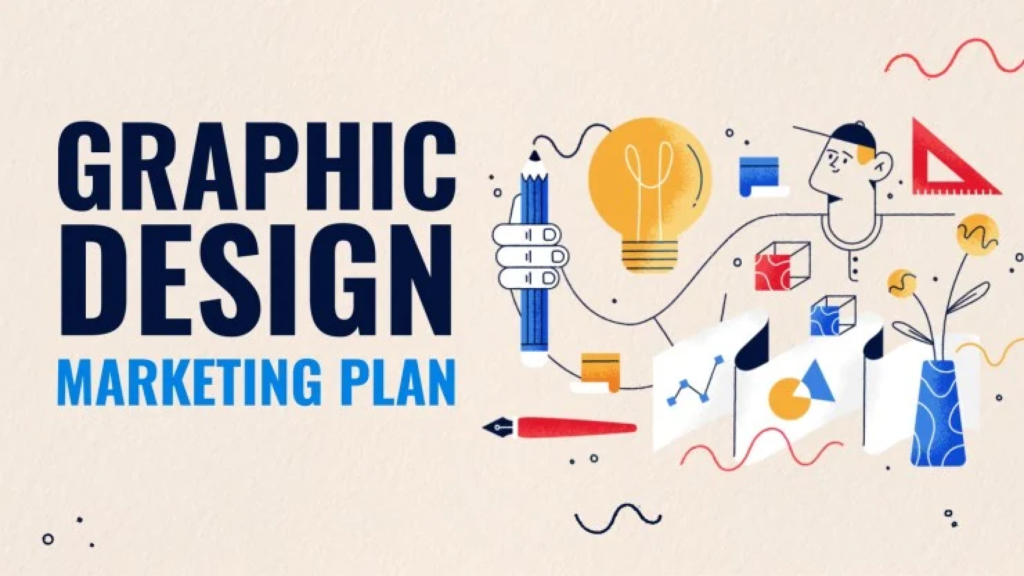
The human brain is wired to process visual information much faster than text. According to some studies, people can form a first impression of a brand or product in a few seconds based on its design. Graphic design thus becomes the first point of contact between a brand and its audience, a key element that determines whether a user will continue reading or leave the page.
This means that creating a strong and impactful visual identity should be at the core of any marketing strategy. Whether through logos, banners, or visual content on social media, graphic design captures attention and encourages users to stay longer. In marketing, it is often this initial impact that transforms a simple visit into a memorable experience.
Visuals that are consistent with a brand’s identity—colors, typography, logos, etc.—help the audience better remember and recognize the brand. A well-defined visual identity is essential for building lasting recognition. When graphic design is aligned with the brand’s values and image, it enhances the perception of professionalism and credibility.
In other words, good graphic design in content marketing helps build a strong visual identity, which is crucial for standing out in a competitive market. This applies to both small businesses and large multinational brands, as a consistent visual identity inspires trust and encourages consumers to identify with the brand.
Graphic design also plays a key role in user experience (UX), which is a fundamental aspect of content marketing. An attractive and well-thought-out visual presentation not only improves the aesthetics of a platform or content, but also makes information more accessible and easier to understand.
Graphic design also plays a key role in design UX/UI, which is a fundamental aspect of content marketing. An attractive and well-thought-out visual presentation not only improves the aesthetics of a platform or content, but also makes information more accessible and easier to understand.
Engagement is a key indicator of the success of a content marketing campaign. Well-executed graphic design plays a direct role in increasing this engagement.
On social media, posts with images receive on average 94% more views than those without visuals. Whether static images, infographics, or videos, visual content is far more likely to be shared and commented on. It becomes a powerful tool for driving interactions and increasing organic reach.
Moreover, attractive graphic designs increase the chances of content going viral, thereby boosting overall engagement. With the constant evolution of social media algorithms, which increasingly favor visual and interactive content, it is essential to rely on graphic design to enhance visibility and engagement.
In content marketing, some information can be difficult for consumers to understand. Complex concepts or numerical data may lose the audience if they are presented only in text form. Using infographics or illustrations makes this information more accessible and engaging.
This process, known as “data visualization”, uses graphic design to simplify complex concepts, thereby increasing reader retention and interest. This approach is particularly effective for technical or specialized industries, such as finance, science, or technology sectors.
Emotions play a key role in how people interact with content. Well-thought-out graphic design can enhance the emotional impact of a marketing campaign. By using specific colors, fonts, and images, it is possible to convey a mood or evoke particular emotions in the target audience.
Moreover, graphic design helps structure a brand’s storytelling. Visuals tell a story, supporting the text and enriching the overall user experience. This visual storytelling not only strengthens engagement but also deepens the emotional connection between the brand and its audience, which can lead to better customer loyalty.
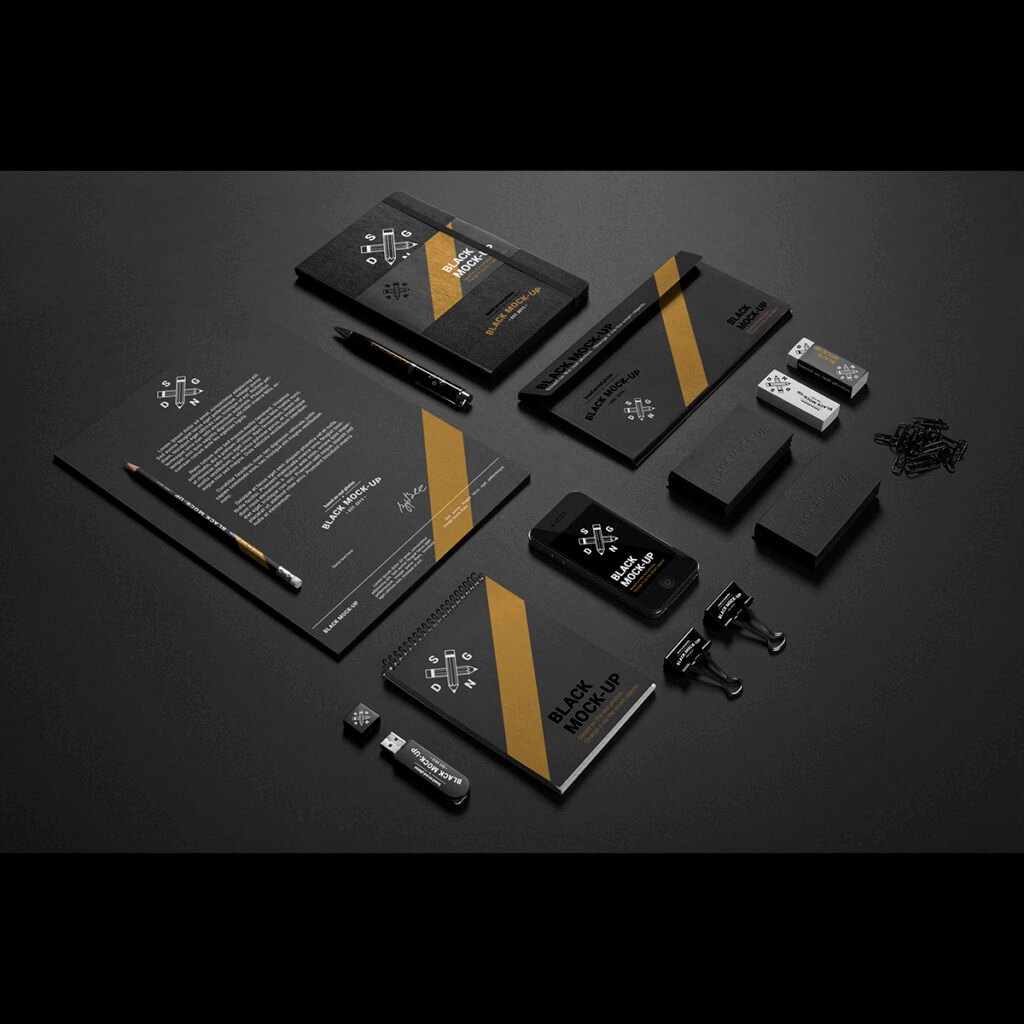
To effectively integrate graphic design into a content marketing strategy, certain best practices should be followed. Here are key strategies that maximize the impact of visual design.
A consistent visual identity is crucial for maintaining a memorable and professional brand. It is important to define clear guidelines regarding colors, typography, and image styles that reflect the brand’s image. This brand guideline ensures that every piece of visual content, whether it is a social media post or a blog article, is immediately recognizable and consistent with the brand’s identity.
A brand guideline is not limited to aesthetics; it plays a fundamental role in positioning strategy. By integrating consistent graphic elements, a company can create a stronger and more credible brand identity. This not only makes the brand recognizable but also ensures that every communication aligns with the company’s vision and values.
Infographics are a form of graphic content that summarize complex information into a visual format that is easy to understand and share. They are ideal for conveying statistics, facts, or multi-step processes. According to studies, infographics are three times more shared on social media than any other type of visual content.
Infographics combine both graphic design and informative content, making them particularly effective at driving engagement and increasing virality. They also make information easier to remember and allow brands to convey their expertise in a concise and engaging way.
Although graphic design is primarily a tool for capturing visual attention, it can also play a role in search engine optimization (SEO). By optimizing images and other visuals so they are properly indexed by search engines, you can attract additional traffic.
This includes using descriptive ALT tags, reducing file sizes to speed up page load time, and incorporating relevant keywords into file names and descriptions. Optimizing visuals for SEO helps improve content visibility online while also enhancing the user experience.
Interactive elements such as animations or videos are an excellent way to captivate the audience while involving them more in the content. These types of visuals make the user experience more immersive and increase the time spent on a page.
Moreover, high-quality videos that combine graphic design with interactive elements make it possible to convey more nuanced and engaging messages. Interactive elements are particularly effective at capturing attention on landing pages, advertising campaigns, or social media platforms where competition for attention is intense.
While graphic design can significantly improve the performance of your content marketing, certain mistakes should be avoided to maximize its effectiveness.
Overloading visuals with too much text or too many graphic elements can make them confusing and ineffective. It is essential to leave enough white space so the design can breathe and the information can be easily processed. A clean and minimalist graphic design helps keep the focus on what matters while making the message easier to understand.
An overloaded design can also slow down page load times, which harms the user experience and may affect SEO rankings. The goal is to find a balance between visual creativity and message clarity.
The quality of visuals directly influences how your brand is perceived. Using pixelated, blurry, or poorly framed images can harm your brand image. It is therefore crucial to ensure that every graphic element used is of high quality and optimized for different display formats, especially for mobile, which represents a significant share of today’s internet traffic.
Low-quality visual content can immediately drive the audience away, even if the written content is excellent. It is therefore essential to work with graphic design professionals or use high-quality design tools to ensure visuals that meet your users’ expectations.
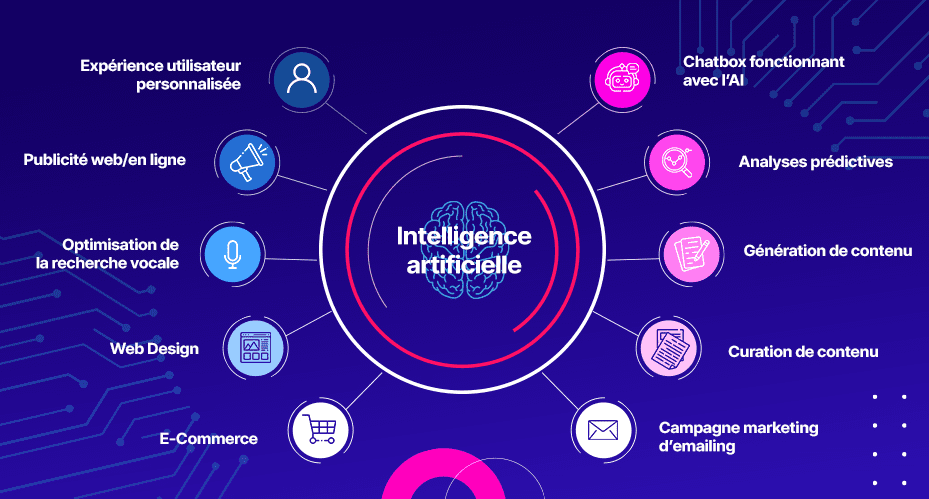
With the advent of new technologies and digital tools, the future of graphic design in content marketing looks promising. Advances in augmented reality (AR), virtual reality (VR), and artificial intelligence (AI) will enable the creation of even more immersive and personalized visual experiences.
Augmented reality and virtual reality open incredible opportunities in terms of engagement and interaction. Brands can now offer immersive visual experiences to their consumers, allowing them to fully immerse themselves in the brand’s universe. These technologies also enable consumers to interact with a product before even purchasing it, creating a unique personalized experience.
Artificial intelligence is revolutionizing the world of graphic design. Tools such as Adobe Sensei and Canva Pro enable designers to create visuals more quickly by leveraging AI to automatically adjust colors and proportions, and even generate design templates from simple prompts. These advancements allow businesses to be more agile and reduce costs associated with visual content creation.
Graphic design captures audience attention, makes complex information easier to digest, and strengthens brand recognition through a consistent visual identity. It also improves engagement, especially on social media platforms, where visual posts are more widely shared.
Infographics allow complex data or processes to be presented in an easy-to-understand visual format. They are highly shareable on social media, increasing content visibility and user engagement rates.
To optimize images for SEO, it is important to use descriptive ALT tags, compress files to improve loading time, and include relevant keywords in file names and descriptions.
Common mistakes include overloading visuals with too much text or too many graphic elements, as well as using low-quality images, which can harm brand image and user experience.
A graphic design that is consistent with the brand’s visual identity—colors, typography, logos, etc.—allows the audience to quickly recognize and more easily remember the brand, thereby strengthening customer loyalty.
Videos, infographics, and interactive elements such as animations are the most effective at capturing attention and increasing engagement, as they provide a more immersive and dynamic visual experience.
Graphic design and content marketing have become inseparable in creating effective and memorable campaigns. Companies that master both aspects position themselves as leaders in their industry, capturing attention and retaining customers through strong and consistent visual communication.
The strategic use of graphic design in content marketing helps drive engagement, improve user experience, and create memorable brand identities. By adopting best practices in graphic design and avoiding common mistakes, businesses can maximize the impact of their marketing efforts.

MonDesign Web, your digital marketing agency, dedicated to guiding you to the pinnacle of your online success.



We use cookies to improve your experience on our site. By using our site, you consent to cookies.
Websites store cookies to enhance functionality and personalise your experience. You can manage your preferences, but blocking some cookies may impact site performance and services.
Essential cookies enable basic functions and are necessary for the proper function of the website.
These cookies are needed for adding comments on this website.
Statistics cookies collect information anonymously. This information helps us understand how visitors use our website.
Google Analytics is a powerful tool that tracks and analyzes website traffic for informed marketing decisions.
Service URL: policies.google.com
Marketing cookies are used to follow visitors to websites. The intention is to show ads that are relevant and engaging to the individual user.
Facebook Pixel is a web analytics service that tracks and reports website traffic.
Service URL: www.facebook.com
 #!trpst#trp-gettext data-trpgettextoriginal=1947#!trpen#Optimized by #!trpst#trp-gettext data-trpgettextoriginal=1946#!trpen#Seraphinite Accelerator#!trpst#/trp-gettext#!trpen##!trpst#/trp-gettext#!trpen#