

The world of graphic design is constantly evolving, and each year brings new trends that redefine how we create and communicate visually. In 2024, several creative trends look promising, marked by graphic innovation and a desire to meet the expectations of an increasingly discerning audience. Let’s explore the graphic design trends to watch this year.
Minimalism remains a key trend in graphic design, but in 2024, it is evolving into bold minimalism. This is expressed through clean compositions paired with vibrant colors and striking typography. Designers aim to capture attention with simple yet impactful elements, creating a perfect balance between white space and strong visual components.

In recent years, bright and vivid colors like neon have found their place in modern design, but in 2024, they take on a futuristic twist. These striking colors, combined with dark backgrounds and light effects, create a bold, almost cyberpunk aesthetic. This style, inspired by the worlds of video games and science-fiction films, symbolizes technological innovation.
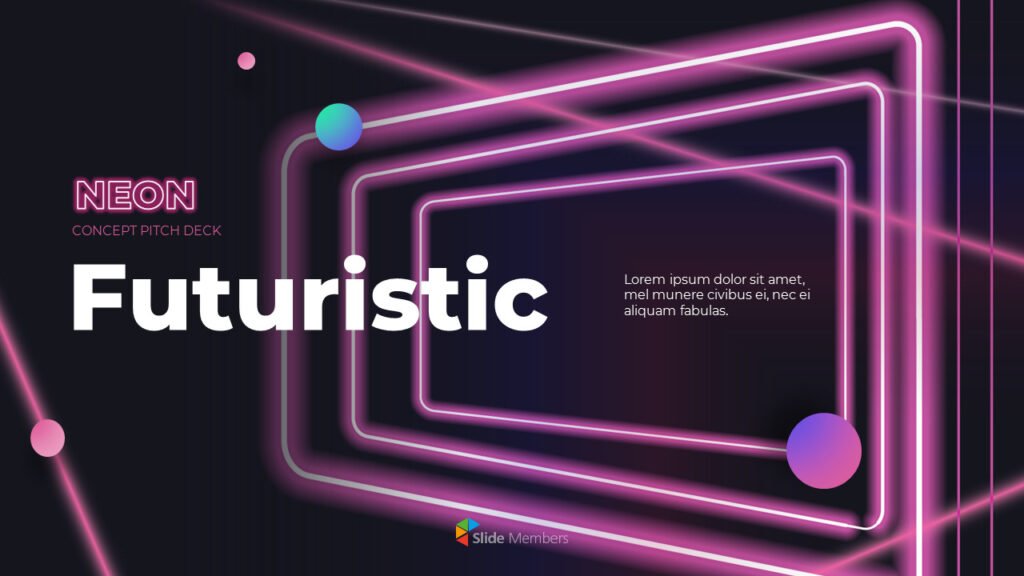
Brands looking to capture attention, especially in fashion, entertainment, and new technology sectors, are adopting this palette. The use of futuristic neon goes hand in hand with the introduction of animated graphics or interactive elements in user interfaces (UI), bringing a dynamic dimension to websites and mobile applications.
With the evolution of graphic rendering technologies, 3D and augmented reality (AR) are becoming essential tools in graphic design in 2024. These technologies allow the creation of immersive environments where users can interact with three-dimensional objects directly from their screens. 3D designs are no longer limited to video games or films; they are now commonly used in branding, advertising, and even e-commerce.
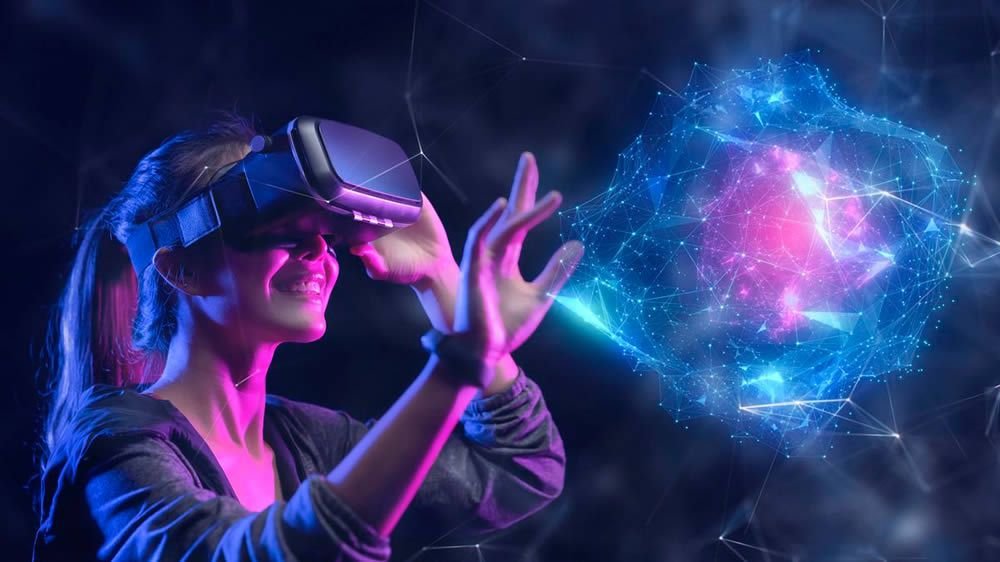
Brands can thus offer an enhanced user experience, allowing customers, for example, to view a product from all angles or virtually place it in their environment using AR. These innovations are not only visually impressive; they also provide functional added value that strengthens user engagement.
In a world where digitalization is omnipresent, organic textures bring a human and artisanal dimension to graphic designs. In 2024, creators aim to mimic natural materials such as paper, fabric, wood, or granular textures, giving a tangible appearance to digital projects. This trend responds to a growing need for reconnection with nature and authenticity.

Grainy or imperfect textures also evoke a sense of nostalgia, contrasting with the ultra-smooth, flawless digital designs of previous years. These textures, often used in branding and packaging, convey a more “grounded” aesthetic, emphasizing values of sustainability and closeness.
With the rise of environmental concerns, the concept of sustainable design is making its way into graphic design. In 2024, creators are adopting more eco-friendly approaches, whether in the choice of materials for print media or in optimizing visuals to reduce the digital carbon footprint.

For example, natural color palettes, clean fonts, and minimalist visual elements help reduce energy consumption from screens and servers. Designers are also adopting ethical design techniques, favoring visual longevity over fleeting trends.
Glitch art, or the art of digital errors, continues to grow in 2024. This style, which incorporates visual distortions and graphic glitches, echoes the aesthetics of older technologies. Digital vintage visuals combine design elements from the 1980s and 1990s (such as retro colors, pixelated fonts, and glitch effects) with modern technologies to create an aesthetic that is both nostalgic and futuristic.
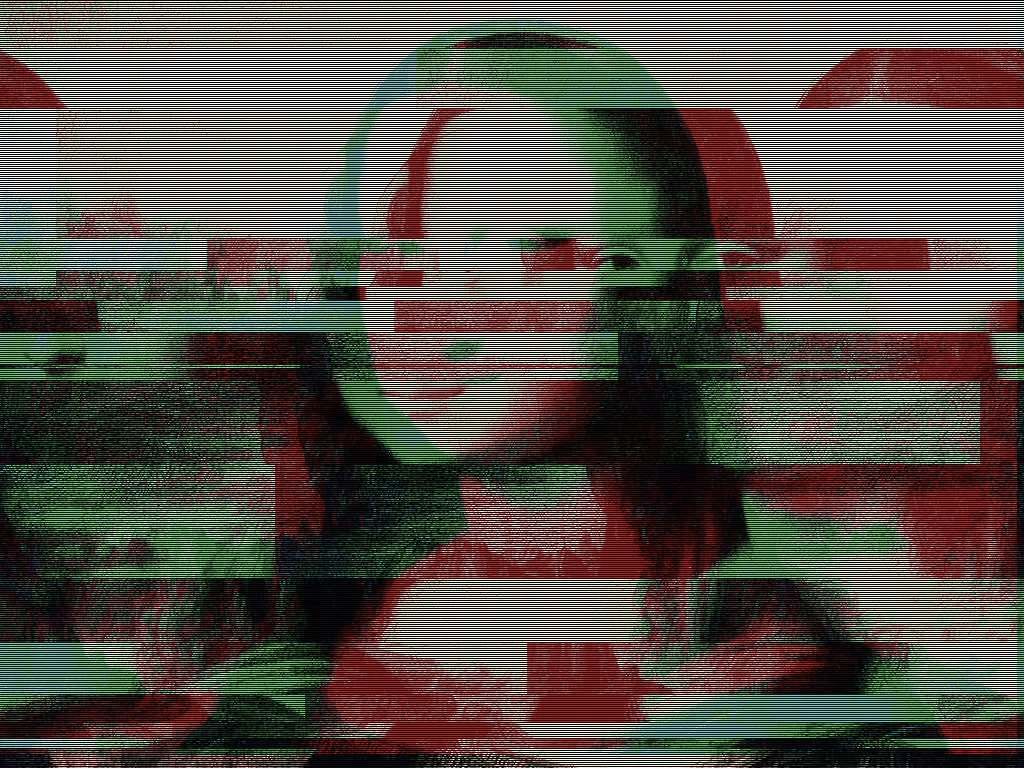
Vintage digital reflects a culture that looks to the past while moving toward the future, a duality that resonates particularly in the fashion, music, and entertainment industries.
The graphic design trends in 2024 are characterized by a diversity of influences: from neon futurism to organic textures, and the immersive possibilities of 3D and augmented reality. Graphic creativity is becoming more experimental, more interactive, and also more responsible in addressing ecological challenges. By embracing these new trends, content creators and brands can stay at the forefront while meeting the expectations of an increasingly discerning audience.
Share it

MonDesign Web, your digital marketing agency, dedicated to guiding you to the pinnacle of your online success.



We use cookies to improve your experience on our site. By using our site, you consent to cookies.
Websites store cookies to enhance functionality and personalise your experience. You can manage your preferences, but blocking some cookies may impact site performance and services.
Essential cookies enable basic functions and are necessary for the proper function of the website.
These cookies are needed for adding comments on this website.
Statistics cookies collect information anonymously. This information helps us understand how visitors use our website.
Google Analytics is a powerful tool that tracks and analyzes website traffic for informed marketing decisions.
Service URL: policies.google.com
Marketing cookies are used to follow visitors to websites. The intention is to show ads that are relevant and engaging to the individual user.
Facebook Pixel is a web analytics service that tracks and reports website traffic.
Service URL: www.facebook.com
 #!trpst#trp-gettext data-trpgettextoriginal=1947#!trpen#Optimized by #!trpst#trp-gettext data-trpgettextoriginal=1946#!trpen#Seraphinite Accelerator#!trpst#/trp-gettext#!trpen##!trpst#/trp-gettext#!trpen#