Graphic Design

Complete Guide to Design Systems: Create Exceptional User Experiences!

Graphic Design

Complete Guide to Design Systems: Create Exceptional User Experiences!

Table of Contents

Introduction

Welcome to the Complete Guide to System Design, where you will discover how to create exceptional user experiences!
System design is much more than just a collection of principles and guidelines. It is a holistic approach that helps create visual consistency, usability, and a top-quality user experience. In this guide, we will explore the ins and outs of system design, focusing on how it can improve your design and help your business stand out from the competition.

System design allows you to create a unique visual identity for your brand while providing a solid framework for your products or services. It ensures consistency across different platforms and promotes a harmonious user experience. Learn how to implement an effective system design and how to optimize your design process to achieve the best results.

If you aspire to create products and user experiences that captivate and inspire, this complete guide is for you. Don’t miss this opportunity to dive into the fascinating world of system design and create exceptional user experiences!

What is System Design?

System design is a process that involves creating a coherent and harmonious structure for an entire product or service. It includes all visual elements, design principles, and interactions used to create an exceptional user experience. System design aims to ensure visual consistency, ease of use, and a top-tier user experience.

System design goes beyond simply designing individual elements. It focuses on the entire system and how all components work together to create a coherent and enjoyable user experience. This includes the design of the user interface, typography, colors, icons, navigation patterns, animations, and much more.

System design is essential for ensuring a smooth and intuitive user experience. It helps create a unique visual identity for your brand while providing a solid structure for your products or services. It also ensures consistency across different platforms, making it easier for users to understand and use your products.
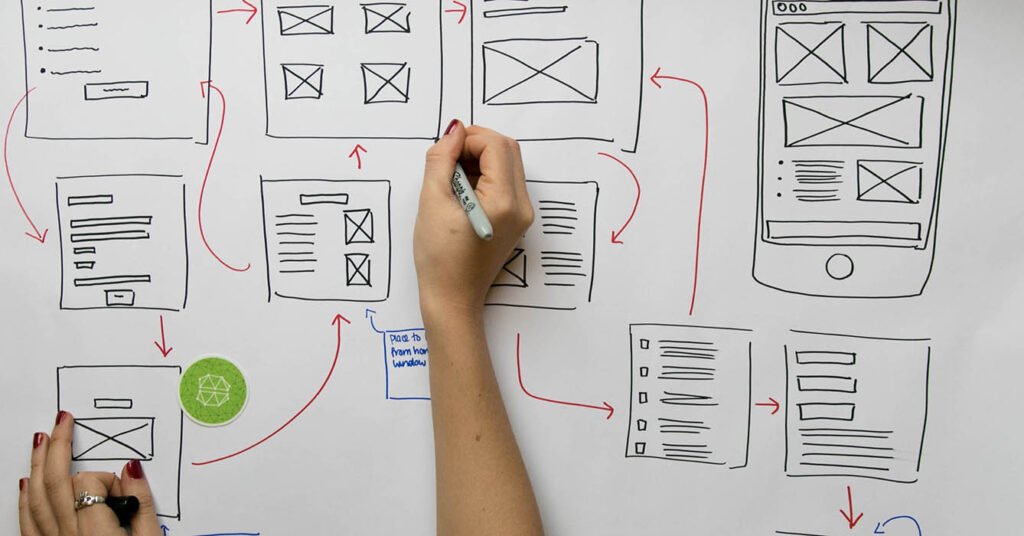
design système

Why is System Design Important?

System design plays a crucial role in creating exceptional user experiences. Here are some reasons why it is so important:

  • Visual consistency: System design helps establish visual rules and principles that ensure consistency in the appearance of your products or services. This creates a harmonious and professional user experience.
  • Ease of use: A well-designed system makes navigating and using your products or services easier. Users can quickly understand how to interact with your product, which enhances their satisfaction and loyalty.
  • Competitive differentiation: A well-thought-out design system allows you to stand out from the competition by delivering a unique and memorable user experience. This strengthens your brand image and helps attract and retain more customers.
  • Design process optimization: A design system helps optimize the design process by providing clear guidelines and reusable components. This saves time and resources while ensuring consistency across the entire system.

In summary, design system is essential for creating exceptional user experiences, enhancing user satisfaction, and standing out from the competition.

Key Principles of System Design

When designing a system, it is important to follow certain key principles to ensure an optimal user experience. Here are some key principles of design system:

  • Consistency: Ensure that all elements of the system are consistent in terms of style, colors, typography, and interactions. This helps users navigate easily and understand how to use your product.
  • Simplicity: Aim for a clean and straightforward design. Avoid unnecessary elements and keep the user interface clear and intuitive. This makes your product easier to understand and use.
  • Flexibility: Design your system so that it can be easily adapted and updated. User needs are constantly evolving, so it is important to make changes to the system without compromising overall consistency.
  • Accessibility: Ensure that your system is accessible to all users, including those with specific accessibility needs. Follow accessibility standards and regularly test your system to make sure it is easy for everyone to use.
  • Accessibility: Ensure that your system is accessible to all users, including those with specific accessibility needs. Follow accessibility standards and regularly test your system to make sure it is easy for everyone to use.

By following these key principles, you can create a solid and consistent design system that delivers an exceptional user experience.
design système

Components of System Design

A design system includes several essential components that contribute to creating an exceptional user experience. Here are some key components of a design system:

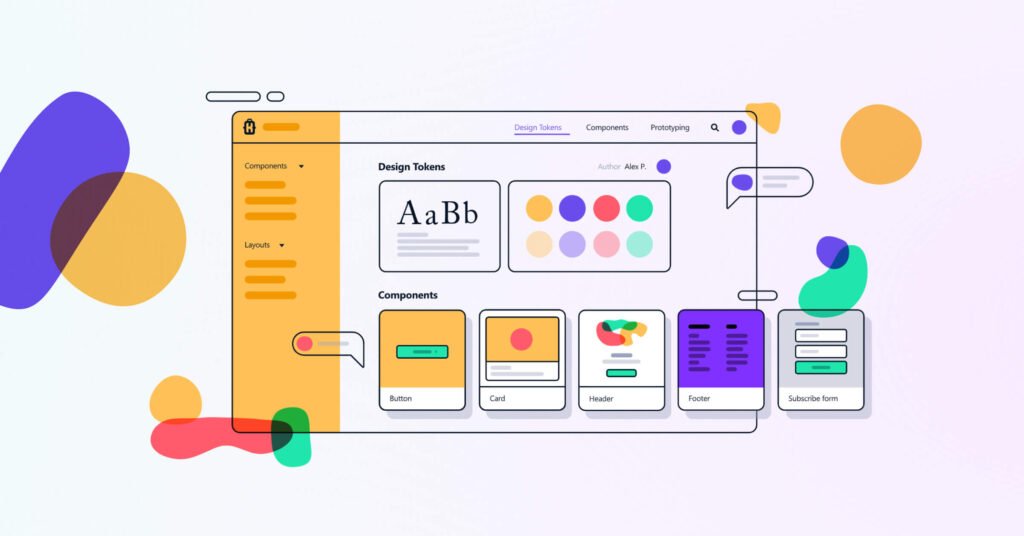
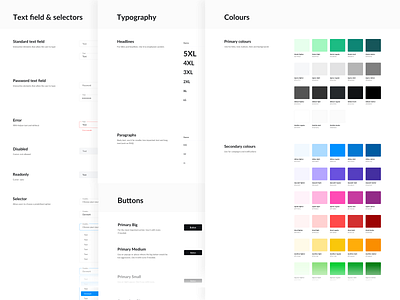
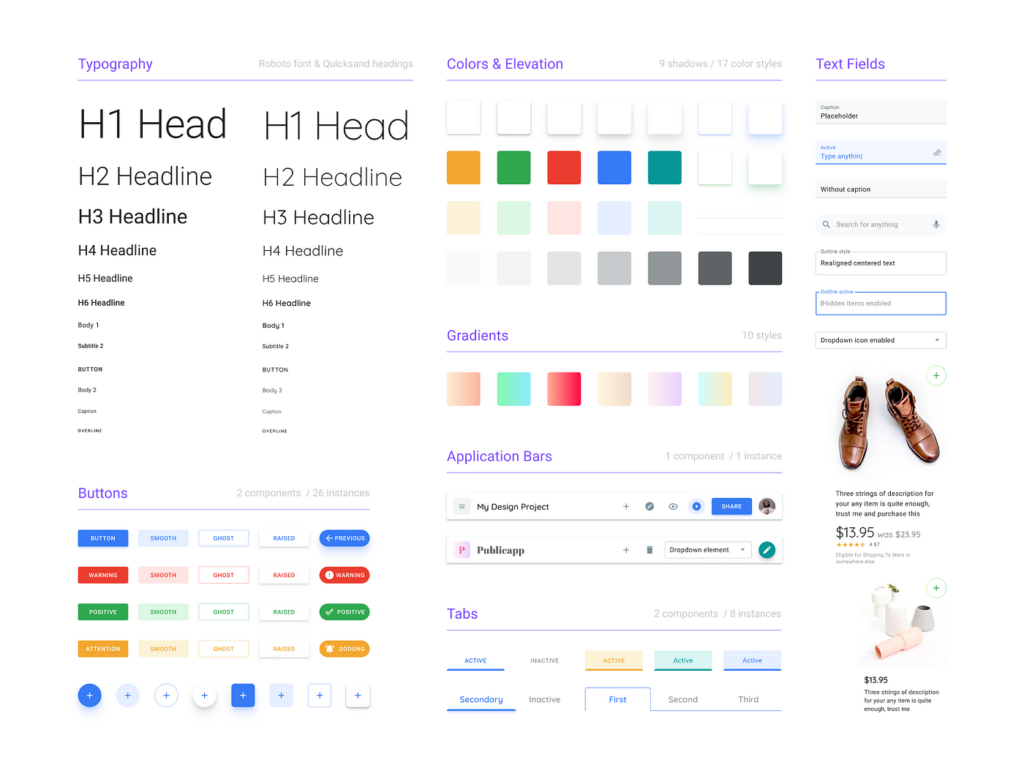
  • Style Guide: A style guide outlines the rules and guidelines for the visual appearance of your product or service. It includes information on typography, colors, icons, buttons, and much more. The style guide ensures visual consistency across the entire system.
  • Component Library: A component library contains predefined, reusable elements such as buttons, forms, navigation patterns, cards, and more. This library makes it easier to create consistent user interfaces and saves time and resources.
  • Design Patterns: Design patterns are reusable templates that allow you to quickly create consistent user interfaces. They can include page layouts, grids, interaction templates, and more. Design patterns simplify the design process by providing ready-to-use foundational structures.
  • Resource Management System: A resource management system stores and manages the digital assets used in your design system, such as images, icons, fonts, and more. This helps maintain consistency across the system and makes resource management easier.

By using these key components, you can build a strong and coherent design system that makes it easier to create exceptional user experiences.
expérience utilisateur

How to Create an Effective System Design

Creating an effective design system requires careful planning and thoughtful consideration. Here are some steps to follow to build an effective design system:

  • Define Goals: Start by clearly defining the goals of your design system. What are the main outcomes you want to achieve? What problems do you aim to solve? This will help guide your design process.
  • Conduct User Research: User research is essential to understand the needs and expectations of your users. Conduct interviews, surveys, and usability tests to gather valuable insights about what your users expect from your product or service.
  • Create a Style Guide: Develop a detailed style guide that defines the rules and guidelines for the visual appearance of your product or service. Include information on typography, colors, icons, buttons, etc. The style guide will ensure visual consistency across the entire system.
  • Develop a Component Library: Create a library of reusable components that will make it easier to build consistent user interfaces. Include elements such as buttons, forms, navigation templates, cards, etc. This will save time and resources during the design process.
  • Create Design Templates: Develop reusable design templates that will serve as a foundation for creating consistent user interfaces. Design templates can include page layouts, grids, interaction patterns, etc. Use these templates to speed up the design process.
  • Involve the Team: Engage your team in the system design process. Organize brainstorming sessions, design workshops, and review meetings to gather ideas and feedback from everyone. This will foster collaboration and ensure a cohesive system design.
  • Testing and Iteration: Once you have created your design system, test it with real users and gather their feedback. Use this feedback to make improvements and adjustments to the system. System design is an iterative process that requires continuous enhancement.

By following these steps, you can create an effective system design that will facilitate the creation of exceptional user experiences.

Best Practices for Implementing System Design

The successful implementation of a design system requires considering certain best practices. Here are some of the best practices for effective system design implementation:

  • Training and Awareness: Ensure that your team members understand the principles and guidelines of your design system. Organize training and awareness sessions to explain how to use and apply the system correctly.
  • Continuous Communication: Communication is essential to maintain consistency across the system. Ensure that all team members are informed of updates and changes to the system. Use communication tools such as online dashboards or project management tools to facilitate information sharing.
  • Detailed Documentation: Clearly document the principles, guidelines, and components of your design system. Provide examples and detailed instructions to help your team members understand how to use and apply the system effectively.
  • Regular Review: Regularly review your design system to ensure it stays up to date and meets the evolving needs of users. Involve your team in the review process and encourage feedback and suggestions to improve the system.
  • Performance Measurement: Implement metrics to measure the performance of your design system. Analyze the data to identify areas for improvement and make the necessary adjustments to optimize the system.

By following these best practices, you can effectively implement your design system and ensure an exceptional user experience.

Case Studies of Successful System Designs

There are many examples of successful design systems that have enabled the creation of exceptional user experiences. Here are some case studies of successful design systems:
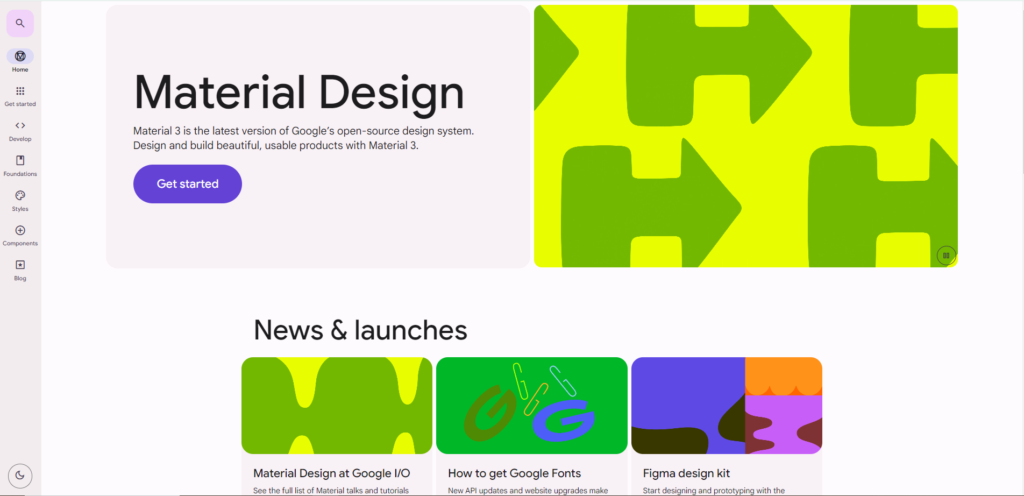
  • Google Material Design: Material Design is the design system used by Google. It provides a consistent and harmonious user experience across all Google platforms, including Android, iOS, and the web. Material Design features realistic surfaces, shadows and depth effects, as well as bold use of color.
design système
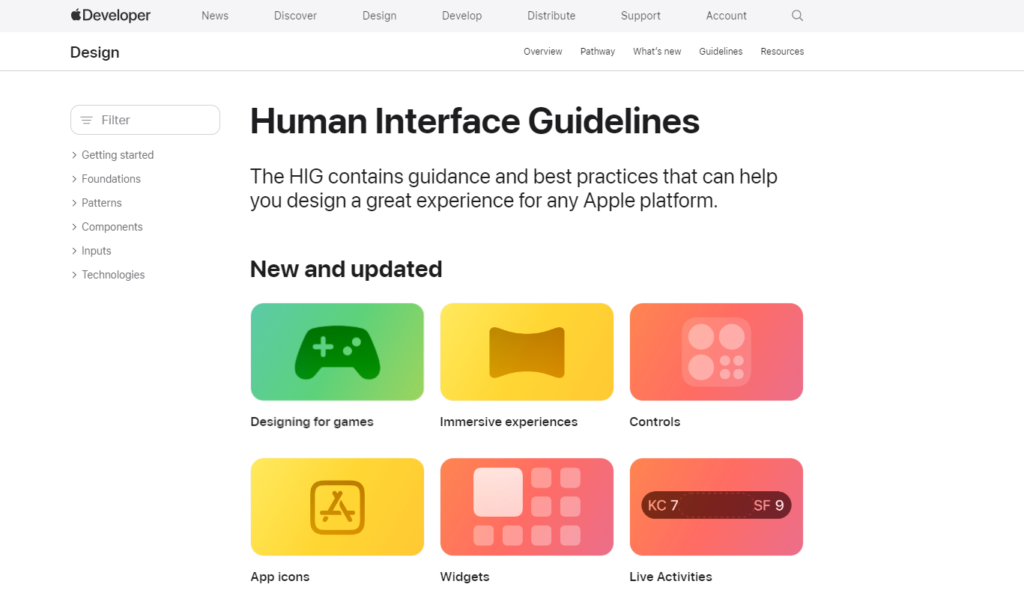
  • Apple Human Interface Guidelines: The Apple Human Interface Guidelines provide detailed guidance for designing iOS and macOS applications. They ensure a consistent and intuitive user experience across all Apple devices. The guidelines include recommendations on screen layouts, icons, typography, animations, and much more.
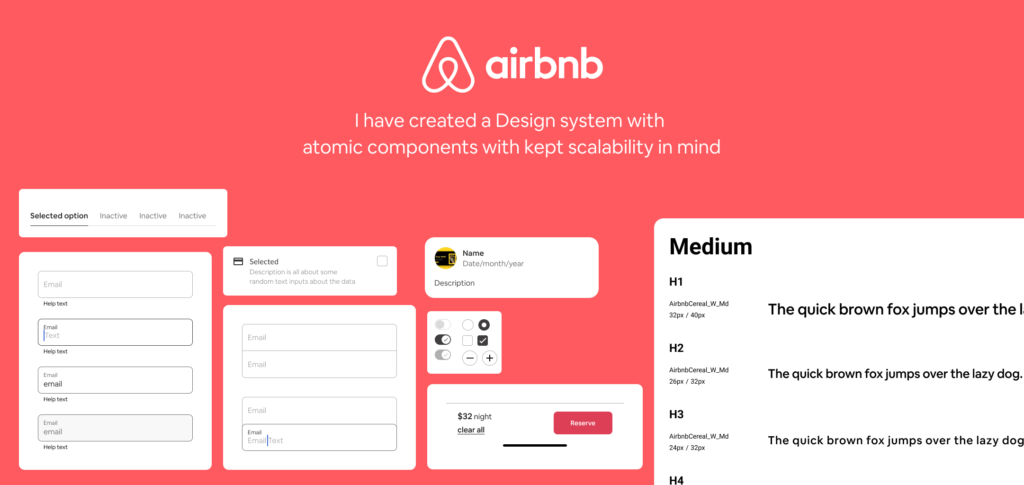
  • Airbnb Design System: Airbnb’s design system is an example of a well-thought-out and well-implemented design system. It ensures visual consistency across all Airbnb platforms while providing resources and tools to facilitate the design of new features and improvements.

These case studies highlight the importance of system design in creating exceptional user experiences. They demonstrate how a well-thought-out design system can enhance visual consistency, usability, and the overall user experience.

Tools and Resources to Help You Create a System Design

Creating an effective system design requires using the right tools and resources. Here are some popular tools and resources that can help you build a system design:

  • Sketch: Sketch is a leading design tool that offers advanced features for creating design systems. It allows you to build reusable component libraries, collaborate with other designers, and create interactive prototypes.
  • Figma: Figma is an online design tool that enables real-time collaboration. It offers features similar to Sketch, including the creation of component libraries and interactive prototypes.
  • InVision: InVision is a prototyping tool that allows you to create interactive prototypes and share them with your team members and stakeholders. It also offers features for building component libraries and team collaboration.
  • Adobe Creative Cloud: The Adobe Creative Cloud suite offers a range of professional design tools, such as Photoshop, Illustrator, and XD, which can be used to create design systems. These tools provide advanced features for creating graphics, icons, interaction templates, and more.

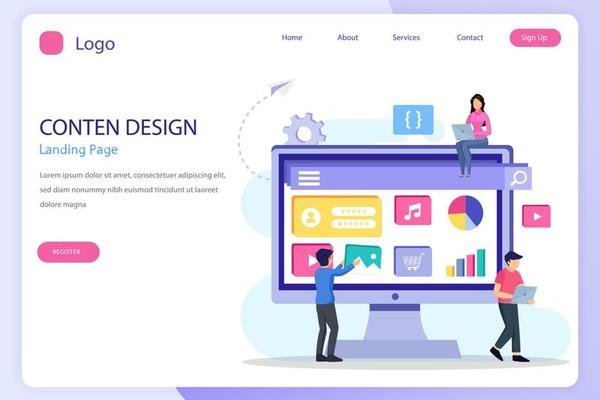
In addition to these tools, there are many online resources, such as tutorials, templates, and guides, that can help you create an effective system design. Explore these resources to find inspiration and guidance for building your own design system.
expérience utilisateur

Current Trends in System Design

System design is constantly evolving to adapt to changing user needs and market trends. Here are some of the current trends in system design:

  • Responsive Design: Responsive design is a major trend in system design. Design systems must be able to adapt to different devices and screen sizes to provide a consistent user experience.
  • Micro-interactions: Micro-interactions are small animations or responses that occur when users interact with a product or service. Design systems increasingly incorporate these micro-interactions to make the user experience more enjoyable and engaging.
  • User-Centered Design: Design systems are increasingly user-focused, taking into account users’ needs, expectations, and preferences. User research and usability testing are essential for creating user-centered design systems.
  • Integration of Artificial Intelligence: Artificial intelligence (AI) is increasingly integrated into design systems to provide smart and personalized features for users. Chatbots, personalized recommendations, and automation are some examples of AI applications in system design.

These trends demonstrate the ongoing evolution of system design to meet users’ needs and expectations. By staying aware of these trends, you can create modern and relevant design systems.
design système

Conclusion

System design plays a crucial role in creating exceptional user experiences. It ensures visual consistency, ease of use, and a top-notch user experience. System design allows you to create a unique visual identity for your brand while providing a solid structure for your products or services.

By following the key principles of system design, using the appropriate components, and implementing best practices, you can create an effective design system that enables the creation of exceptional user experiences.

Don’t forget to use the available tools and resources to help you build your design system, and stay up-to-date with current trends to remain at the forefront of system design.

In conclusion, system design is essential for creating exceptional user experiences. By investing time and effort into building a solid design system, you can stand out from the competition and deliver products and services that captivate and inspire users. So dive into the fascinating world of system design and create truly outstanding user experiences!

Share it

Recent Post
error:
en_US