

In today’s digital world, User Experience (UX) plays a crucial role in the success of a platform or application. User Interface (UI) design has the power to influence users’ emotions and behaviors, making the creation of an exceptional experience even more essential. This is where Artificial Intelligence (AI) comes into play to revolutionize UI/UX design.
AI offers incredible opportunities to enhance the user experience through features such as personalization, automation of repetitive tasks, and analysis of user behaviors. Thanks to machine learning and data analysis, AI can anticipate users’ needs, provide personalized recommendations, and adapt the interface in real time.
By combining Artificial Intelligence (AI) with UI/UX design, designers can create more intuitive, seamless, and engaging user experiences. Features such as voice recognition, real-time responses, and emotion detection enable a personalized and immersive experience.
In this article, we will explore how AI can enhance UI/UX design to deliver an exceptional user experience. Discover how AI can transform your platform or application into a powerful tool to attract, satisfy, and retain users.
User Experience (UX) and User Interface (UI) are two essential concepts in designing digital applications and platforms. UX refers to the overall emotions, perceptions, and reactions of a user when interacting with an interface, while UI focuses on how that interface is visually designed. To deliver an exceptional user experience, it is important to understand users’ needs, expectations, and preferences. This involves analyzing their behavior, gathering feedback, and implementing improvements based on this information. UX and UI must work together to create a seamless, intuitive, and enjoyable experience for users.

The integration of artificial intelligence into the UI/UX design process transforms not only the final product but also the way designers work. AI enables the automation of tedious tasks, such as prototype creation, generating design variations, and analyzing user journeys.
AI can automate the generation of wireframes and mockups based on usage data. For example, an AI tool can suggest multiple versions of an interface according to the preferences of target users, allowing designers to focus on creative aspects rather than technical ones.
Far from replacing designers, AI acts as a co-pilot, suggesting design improvements or alternatives based on data analysis. This collaboration allows for faster exploration of solutions and optimization of the user experience without sacrificing creativity.
AI also facilitates the creation of interactive prototypes that adapt in real time based on user actions. This type of dynamic prototyping allows for faster testing and iteration of interfaces, immediately adjusting UI/UX design elements according to user feedback.
Artificial Intelligence (AI) offers incredible opportunities to enhance the user experience. Thanks to advanced machine learning algorithms and data analysis, AI can analyze user behavior, anticipate their needs, and personalize the interface in real time. This enables the creation of a more relevant and personalized user experience.
AI can also automate repetitive tasks, allowing users to save time and interact more efficiently with the interface. For example, predictive text and autocorrect are common AI features used to enhance the user experience when composing messages or searching for information.
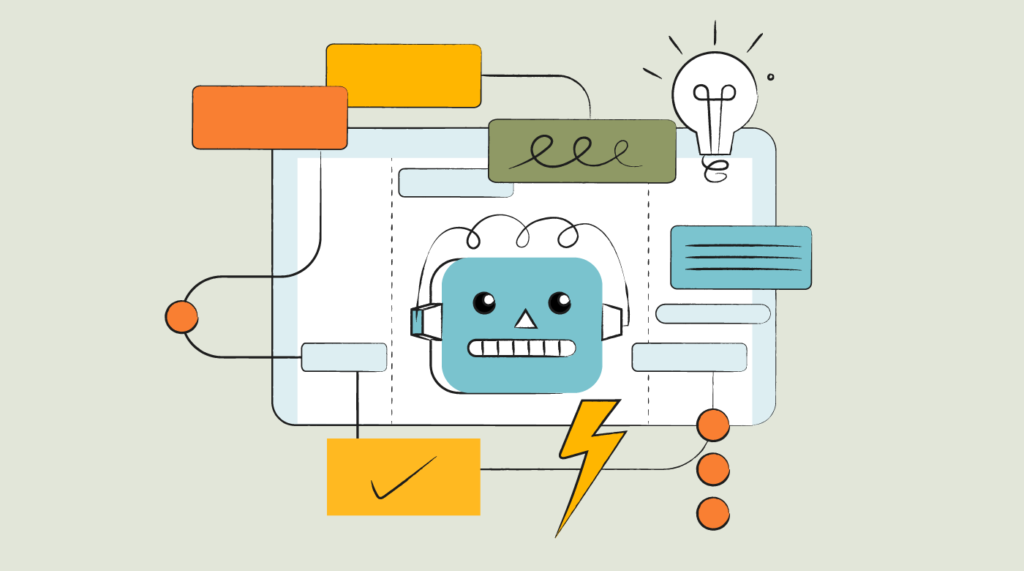
To concretely illustrate the impact of AI on UI/UX design, let’s take the example of a video streaming platform.
With the introduction of AI, the recommendation algorithm was completely revamped. AI now analyzes viewing habits, interactions with content (such as skips, re-watches, or mid-play abandonments), and overall trends to offer highly personalized recommendations. The interface itself has been adapted to highlight dynamic suggestions that change in real time depending on the time of day or day of the week.
The engagement rate increased by 30%, and user satisfaction improved significantly, as evidenced by the rise in positive reviews and longer session times. This case study demonstrates how AI can transform an existing platform, making it more appealing and better suited to the individual needs of users.

AI can bring several improvements to user interface design. First, it enables the creation of more intuitive interfaces by analyzing user behavior patterns. For example, AI can detect eye movements and gestures to adapt the interface based on the user’s actions.
Adaptive interfaces are a key example of the impact of AI on UI design. Thanks to machine learning, interfaces can adjust in real time to users’ preferences and habits. For example, an online shopping app could reorganize product categories or suggestions based on browsing history and explicit or implicit user preferences.
Additionally, AI can enhance interface responsiveness by predicting user actions and providing real-time feedback. For example, AI-powered chatbots can instantly answer user questions, delivering a smoother and more engaging experience.
Finally, AI can detect and analyze users’ emotions to adapt the interface accordingly. For example, if a user appears frustrated or bored, AI can suggest additional options or features to help them complete their task or guide them toward an appropriate solution.
The UI/UX design is constantly evolving, and AI is set to play a central role in this transformation. In the near future, we can anticipate several exciting trends.
Generative AI could become a standard tool for designers, capable of creating fully personalized interfaces on the fly. Imagine an application that generates a unique interface for each user based on their preferences and habits, while maintaining consistency with the brand identity.
AI also plays a crucial role in developing voice and gesture interfaces. With increasingly sophisticated virtual assistants, users could soon interact with interfaces without touching a screen. This requires a completely new UI/UX design, where AI decodes voice commands and gestures to deliver a frictionless user experience.
We are also moving toward extreme personalization, where the interface could evolve in real time based on the user’s emotional state, environmental conditions, or even real-time trends. This deep personalization promises to make every interaction more meaningful and engaging.
Personalization is a key element of the user experience. Each user has specific preferences and needs, and AI can help deliver a real-time personalized experience. Through data analysis and machine learning, AI can understand users’ preferences, habits, and interests, and adjust the interface accordingly.
For example, an e-commerce website can use AI to recommend specific products based on a user’s shopping preferences. Similarly, a music streaming app can suggest playlists based on a user’s musical tastes.
Personalization through AI not only enhances the user experience but also increases engagement and user retention. By providing a tailored experience, users feel more connected to the interface and are more likely to continue using it.
To better understand the impact of AI on UI/UX design, it is useful to compare traditional approaches with those incorporating AI.
In a traditional UI/UX design process, designers primarily rely on static data (such as personas or market research) to create interfaces. These interfaces, although often effective, do not adapt in real time to the changing needs of users. Personalization is limited and often depends on predefined options set by the designers.
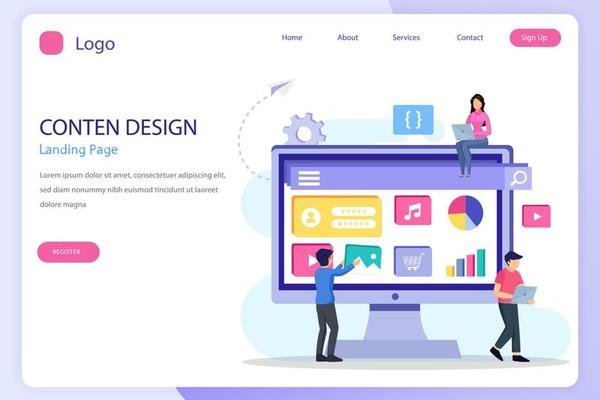
In contrast, integrating AI allows the interface to constantly adapt based on real-time data. AI can learn from past interactions and adjust the interface to better match user expectations. This results in more dynamic interfaces, capable of responding to changes in user behavior, thereby providing a smoother and more personalized experience.
Interfaces designed with AI generally show higher engagement and satisfaction rates. Users find these interfaces more intuitive and better aligned with their individual needs, which strengthens their loyalty to the platform or application.
Accessibility is a crucial aspect of UI/UX design, and AI can play a key role in improving digital accessibility.
AI enables the design of more inclusive interfaces by adapting to the specific needs of users with disabilities. For example, AI can automatically adjust text size, color contrast, or even convert text to audio for visually impaired users.
Additionally, AI can be used to analyze existing interfaces and identify accessibility issues. AI-based tools can scan a website or application to detect elements that do not comply with accessibility standards, providing suggestions for corrections.
The use of artificial intelligence in UI/UX design also raises ethical and responsibility challenges.
AI relies on the collection and analysis of large amounts of user data. It is crucial that this data is managed responsibly, respecting users’ privacy and avoiding any misuse. Designers must ensure that AI algorithms comply with data protection laws and that users are informed about how their data is being used.
Another major challenge is the risk of bias in AI algorithms. If the data used to train these algorithms is biased, the outcomes will be biased as well. This can result in interfaces that unconsciously favor certain groups of users over others. Designers must therefore be vigilant and test their interfaces to ensure they are fair and inclusive.
Finally, it is important to find the right balance between AI and human intervention. AI is a powerful tool, but it should not completely replace human designers. A hybrid approach, where AI supports creators without replacing them, allows you to get the best of both worlds.
AI-driven design systems are a major advancement for standardizing and accelerating the UI/UX design process.
AI can be used to create modular design systems that easily adapt to the changing needs of a business or product. For example, a UI component library could be automatically generated by AI based on current design trends and user preferences, allowing designers to focus on innovation rather than standardization.
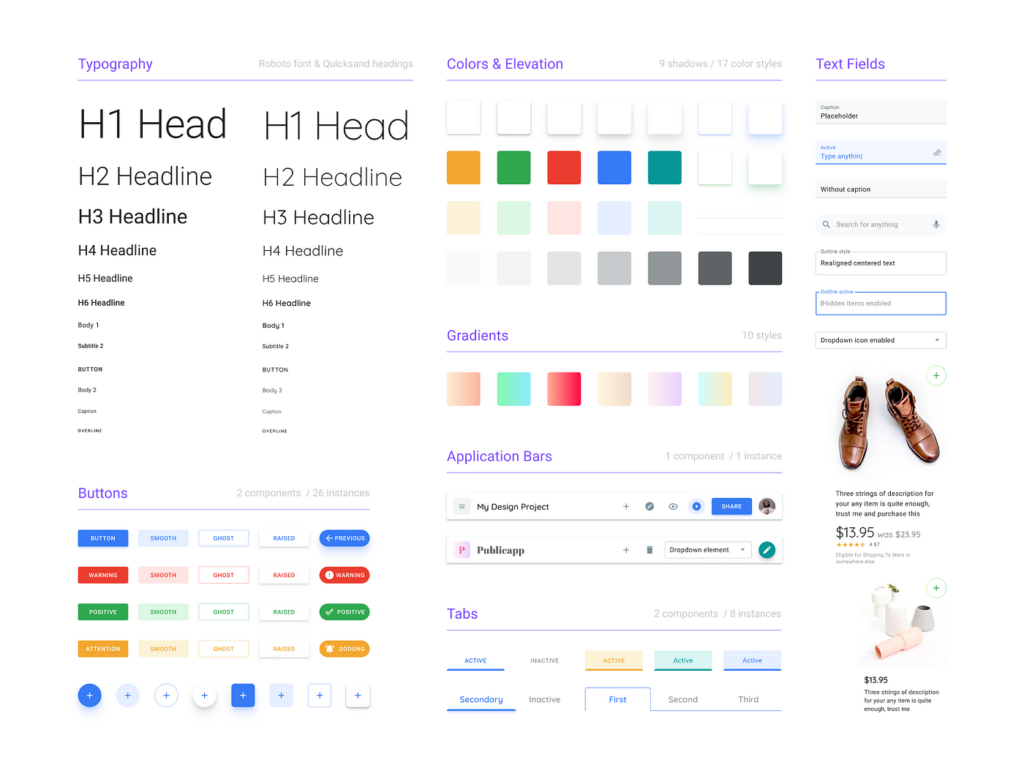
Furthermore, AI-driven design systems can be optimized in real time, adjusting components based on user feedback. This ensures that design systems remain always up-to-date and relevant, without requiring constant manual revisions.
The use of AI in UI/UX design offers numerous advantages. First, it enhances the user experience by providing more intuitive and responsive interfaces. Users can interact more smoothly and receive real-time feedback, which improves their overall satisfaction.
AI also enables the automation of repetitive tasks, freeing up time for users and making them more productive. For example, AI can automate form filling by pre-populating fields with relevant information, allowing users to save time and reduce errors.
Additionally, the use of AI in UI/UX design provides valuable insights into user behavior. The collected data can be used to improve the interface, offer additional features, and personalize the user experience.
Finally, AI offers new opportunities for creativity and innovation in UI/UX design. Designers can leverage AI capabilities to create unique, engaging, and memorable interfaces, resulting in an exceptional user experience.
There are many concrete examples of using AI to enhance UI/UX design. Here are a few examples:
These examples illustrate how AI can be used to enhance the user experience by providing personalized recommendations, relevant suggestions, and a responsive interface.
To integrate AI into UI/UX design, there are many tools and resources available. Here are some of the popular tools used by designers:
These tools and resources offer designers numerous possibilities to integrate AI into UI/UX design, enabling them to create innovative and engaging interfaces.
AI offers many opportunities to improve UI/UX design and deliver an exceptional user experience. Through data analysis, real-time personalization, and the automation of repetitive tasks, AI can create more intuitive, responsive, and engaging interfaces.
However, it is important to consider the challenges and limitations of using AI in UI/UX design, such as data quality, contextual understanding, and privacy concerns.
Despite these challenges, AI continues to evolve and offer new opportunities for UI/UX design. By integrating AI into the design process, designers can create unique and memorable user experiences, helping retain users and stand out in an ever-evolving digital world.
Share it

MonDesign Web, your digital marketing agency, dedicated to guiding you to the pinnacle of your online success.



We use cookies to improve your experience on our site. By using our site, you consent to cookies.
Websites store cookies to enhance functionality and personalise your experience. You can manage your preferences, but blocking some cookies may impact site performance and services.
Essential cookies enable basic functions and are necessary for the proper function of the website.
These cookies are needed for adding comments on this website.
Statistics cookies collect information anonymously. This information helps us understand how visitors use our website.
Google Analytics is a powerful tool that tracks and analyzes website traffic for informed marketing decisions.
Service URL: policies.google.com
Marketing cookies are used to follow visitors to websites. The intention is to show ads that are relevant and engaging to the individual user.
Facebook Pixel is a web analytics service that tracks and reports website traffic.
Service URL: www.facebook.com
 #!trpst#trp-gettext data-trpgettextoriginal=1947#!trpen#Optimized by #!trpst#trp-gettext data-trpgettextoriginal=1946#!trpen#Seraphinite Accelerator#!trpst#/trp-gettext#!trpen##!trpst#/trp-gettext#!trpen#