
Keyword research is a fundamental pillar of search engine optimization (SEO). It helps identify the terms and phrases that users type into search engines to find information, products, or services. By targeting these relevant keywords, you increase your chances of appearing in search results when users look for content similar to what you offer. This not only boosts your visibility but also drives more traffic to your website.
Additionally, keyword research helps you understand your audience. By analyzing the searched terms, you can gain insights into the needs, desires, and behaviors of your potential users. This allows you to tailor your content to meet the expectations of your target audience, which improves engagement on your site and can also increase conversion rates.
Finally, a solid keyword strategy helps you stand out from the competition. By identifying less competitive yet still relevant keywords, you can attract visitors who might otherwise turn to more established sites. This allows you to build a strong base of organic traffic over time, giving you a sustainable competitive advantage in your niche.

To start keyword research, it is essential to define clear objectives. What do you want to achieve with your website? Do you want to increase traffic, generate leads, or sell products? Once your objectives are set, you can consider the themes and topics related to your business. This will give you direction for exploring relevant keywords.
Next, start brainstorming keyword ideas. Think about the terms you would use to search for your own products or services, as well as the questions your potential customers might ask. Write down all these ideas, as they will serve as a starting point for your research. The goal here is to be as thorough as possible to leave nothing out.
After creating an initial list of keywords, it is important to refine them. This means evaluating each one based on its search volume, relevance, and level of competition. This refinement process is crucial, as not all keywords are created equal, and some may be more beneficial for your SEO strategy than others.
There are a multitude of keyword research tools that can help you identify the top-performing terms. Among the most popular tools, Google Keyword Planner is an excellent starting point. This free tool allows you to discover the search volume and competition for different keywords, helping you choose the ones that best fit your strategy.
Another popular tool is SEMrush, which offers more advanced features like competitor analysis. SEMrush allows you to see which keywords are driving traffic for your competitors and to identify opportunities you might not have considered. Although this tool is paid, it can be very valuable for an in-depth keyword analysis.
Ubersuggest is also an excellent option, especially if you’re looking for an accessible and easy-to-use tool. It provides keyword suggestions based on popular search terms and also displays information on search volume and competition level. These tools can greatly simplify keyword research and analysis, allowing you to make informed decisions to optimize your content.
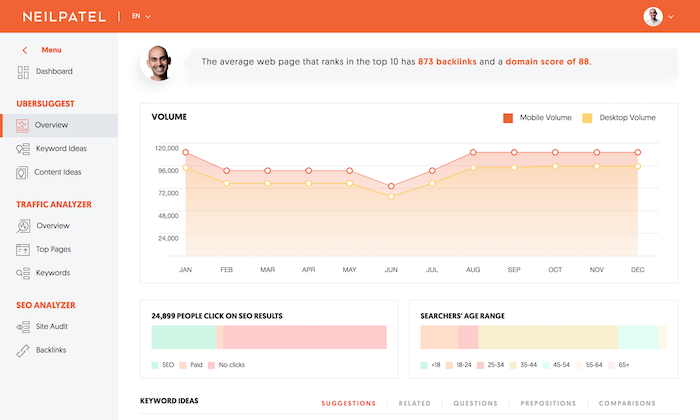
Choosing the right keywords for your business requires a strategic approach. Start by segmenting your keywords into categories, such as brand keywords, product keywords, and informational content keywords. This will help you determine which categories are most relevant to your business and where you should focus your efforts.
Next, evaluate the search volume and competition for each keyword. A keyword with high search volume may seem attractive, but if it is highly competitive, it could be difficult to rank for. Sometimes, it’s better to choose niche keywords with modest search volume but lower competition, as this can allow you to establish yourself more easily in search results.
Finally, don’t forget to consider the search intent behind each keyword. Search intent can be classified into three categories: informational, navigational, and transactional. Make sure the keywords you choose align with the intent of your target audience, so that your content truly attracts visitors who are interested in what you offer.
Analyzing the competition is a crucial step in your keyword research. It allows you to understand which terms your competitors are targeting and how they rank for those keywords. Start by identifying your main competitors in your niche. Once identified, use tools like Ahrefs or SEMrush to examine the keywords they are ranking for.
By analyzing the search engine results pages (SERPs) for your target keywords, you can also see what type of content is already ranking well. This will give you insights into what Google considers relevant. Take note of content formats, article lengths, and types of media used. This will help you create content that not only meets users’ needs but is also optimized for SEO.
Don’t forget to evaluate your competitors’ performance. Examine their traffic, engagement rates, and even user reviews. This will give you an idea of the gaps in their strategy that you could exploit. By understanding where your competitors succeed and where they fall short, you can adjust your own keyword strategy to maximize your chances of success.
Once you have identified your keywords, organizing them into an effective structure is essential. Start by creating a content plan based on the keywords you have selected. Each primary keyword should have its own article or page, while secondary keywords can be integrated into related articles. This helps create internal linking that allows Google to better understand your site’s structure.
Next, consider using content silos. A silo is a method of organizing your content by grouping similar articles under specific categories. For example, if you have a gardening website, you might create silos for plants, tools, and gardening techniques. This not only helps users navigate your site, but also allows search engines to better index your content.
Finally, make sure to optimize your HTML tags, titles, and descriptions with your keywords. This includes using keywords in your titles, subtitles, and alt tags for images. A solid structure and proper optimization will help strengthen the relevance of your content in the eyes of search engines, which can improve your rankings.
On-page optimization is a key element to ensure that your keywords reach their full potential. This involves integrating keywords into different elements of your page, including the title, subtitles, and the body text. Make sure the use of keywords is natural and smooth to avoid keyword stuffing, which can harm the quality of your content and your rankings.
Moreover, optimizing meta tags is also crucial. The title tag and meta description should contain your main keywords and give users a clear idea of your page’s content. This can help improve the click-through rate (CTR) when your page appears in search results. A higher CTR is often perceived by Google as a positive signal, which can contribute to improving your rankings.
Don’t forget the importance of internal and external links. Internal links help establish a content hierarchy on your site, while external links to high-authority sources strengthen the credibility of your content. By integrating these practices into your on-page optimization strategy, you can maximize the performance of your keywords and improve your site’s visibility.
Keyword research is not a one-time activity; it requires regular monitoring and adjustments. Start by using analytics tools such as Google Analytics and Google Search Console to track the performance of your keywords. These tools will allow you to see which keywords are generating traffic, as well as those that are not delivering the expected results. Once you have collected the data, it’s time to adjust your strategy. If certain keywords are not performing as planned, consider updating your content or exploring new keywords.
It may be beneficial to focus on niche terms that could attract a more targeted audience. The key is to be proactive and adaptable. Finally, don’t hesitate to revisit your existing content. Updating older articles with new keywords or recent information can give your content new life and improve its rankings. SEO is a dynamic process, and staying up to date with search trends and user behavior is essential to maintain and improve your online visibility.
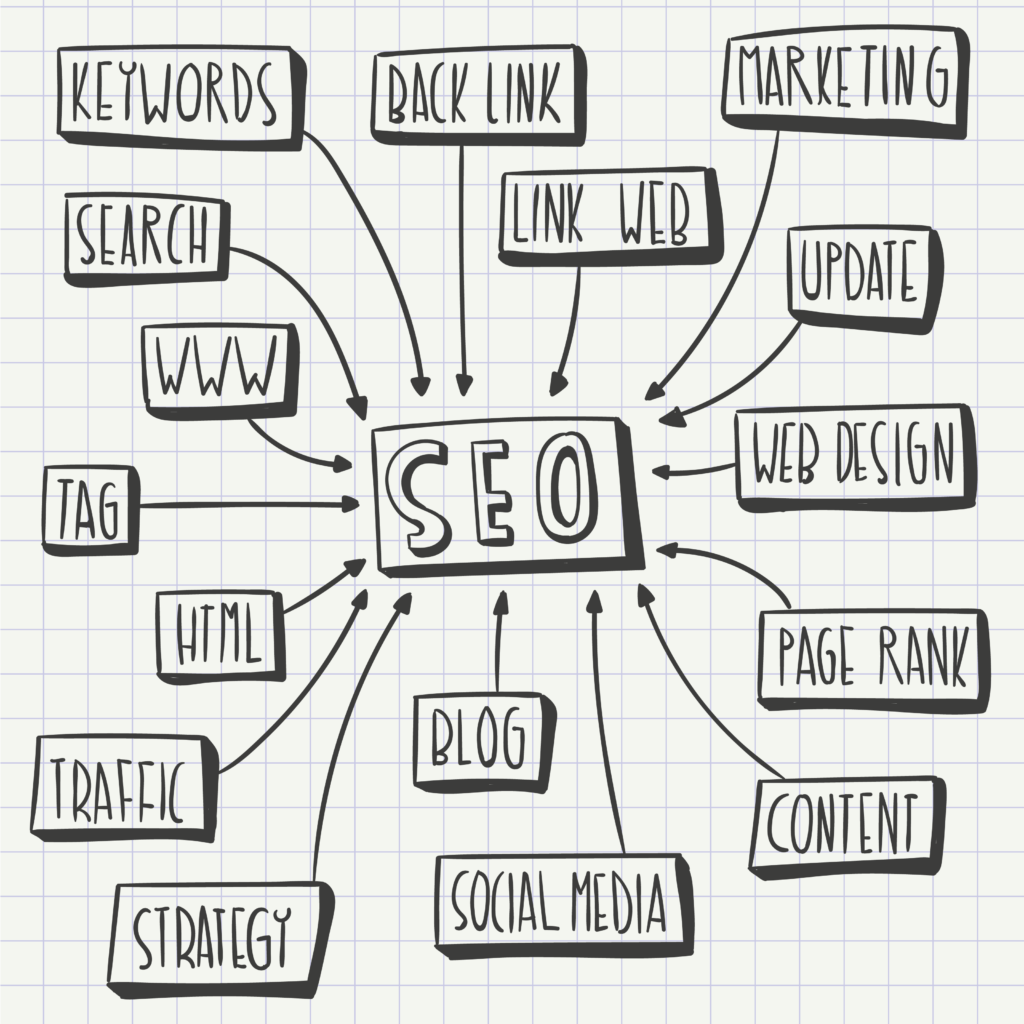
In conclusion, keyword research and analysis are essential steps for optimizing your online presence. By understanding the importance of this process, the fundamentals of research, and by using the right tools, you can identify the highest-performing keywords for your business. Remember to segment your keywords, analyze the competition, and organize your content strategically.
Remember that on-page optimization plays a crucial role in the performance of your keywords. Make sure to incorporate your keywords naturally and effectively into your content, tags, and internal links. Finally, regular monitoring and adjustments based on concrete data will allow you to maximize the performance of your keywords and improve your ranking in search results.
By applying these recommendations, you will be well on your way to increasing your visibility on Google, attracting more visitors to your site, and achieving your online goals. Keyword research is an ongoing journey, so stay curious, adapt to changes, and keep refining your strategy to achieve the best possible results.

MonDesign Web, your digital marketing agency, dedicated to guiding you to the pinnacle of your online success.



We use cookies to improve your experience on our site. By using our site, you consent to cookies.
Websites store cookies to enhance functionality and personalise your experience. You can manage your preferences, but blocking some cookies may impact site performance and services.
Essential cookies enable basic functions and are necessary for the proper function of the website.
These cookies are needed for adding comments on this website.
Statistics cookies collect information anonymously. This information helps us understand how visitors use our website.
Google Analytics is a powerful tool that tracks and analyzes website traffic for informed marketing decisions.
Service URL: policies.google.com
Marketing cookies are used to follow visitors to websites. The intention is to show ads that are relevant and engaging to the individual user.
Facebook Pixel is a web analytics service that tracks and reports website traffic.
Service URL: www.facebook.com