
Welcome to the Complete Guide to System Design, where you will discover how to create exceptional user experiences!
System design is much more than just a collection of principles and guidelines. It is a holistic approach that helps create visual consistency, usability, and a top-quality user experience. In this guide, we will explore the ins and outs of system design, focusing on how it can improve your design and help your business stand out from the competition.
System design allows you to create a unique visual identity for your brand while providing a solid framework for your products or services. It ensures consistency across different platforms and promotes a harmonious user experience. Learn how to implement an effective system design and how to optimize your design process to achieve the best results.
If you aspire to create products and user experiences that captivate and inspire, this complete guide is for you. Don’t miss this opportunity to dive into the fascinating world of system design and create exceptional user experiences!
System design is a process that involves creating a coherent and harmonious structure for an entire product or service. It includes all visual elements, design principles, and interactions used to create an exceptional user experience. System design aims to ensure visual consistency, ease of use, and a top-tier user experience.
System design goes beyond simply designing individual elements. It focuses on the entire system and how all components work together to create a coherent and enjoyable user experience. This includes the design of the user interface, typography, colors, icons, navigation patterns, animations, and much more.
System design is essential for ensuring a smooth and intuitive user experience. It helps create a unique visual identity for your brand while providing a solid structure for your products or services. It also ensures consistency across different platforms, making it easier for users to understand and use your products.
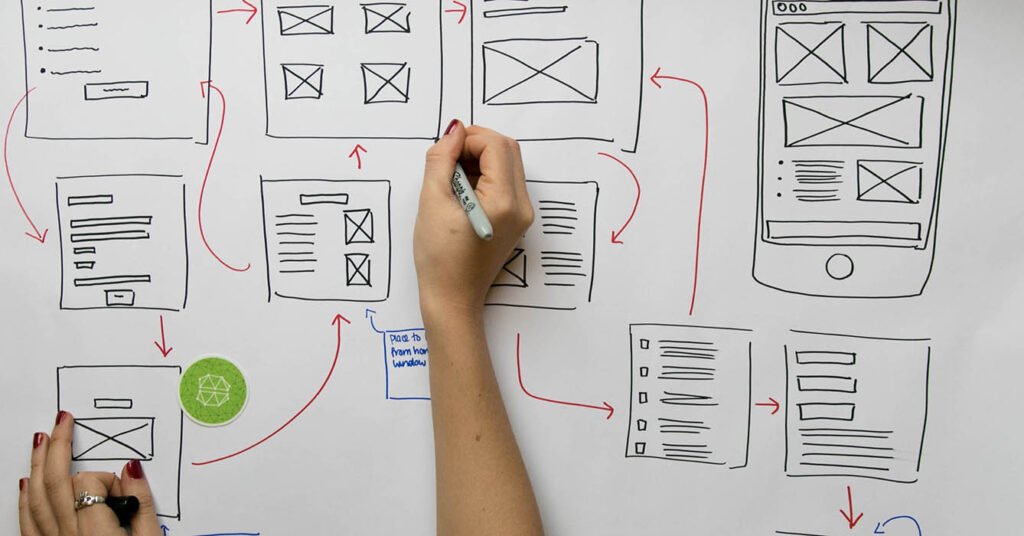
System design plays a crucial role in creating exceptional user experiences. Here are some reasons why it is so important:
In summary, design system is essential for creating exceptional user experiences, enhancing user satisfaction, and standing out from the competition.
When designing a system, it is important to follow certain key principles to ensure an optimal user experience. Here are some key principles of design system:
By following these key principles, you can create a solid and consistent design system that delivers an exceptional user experience.
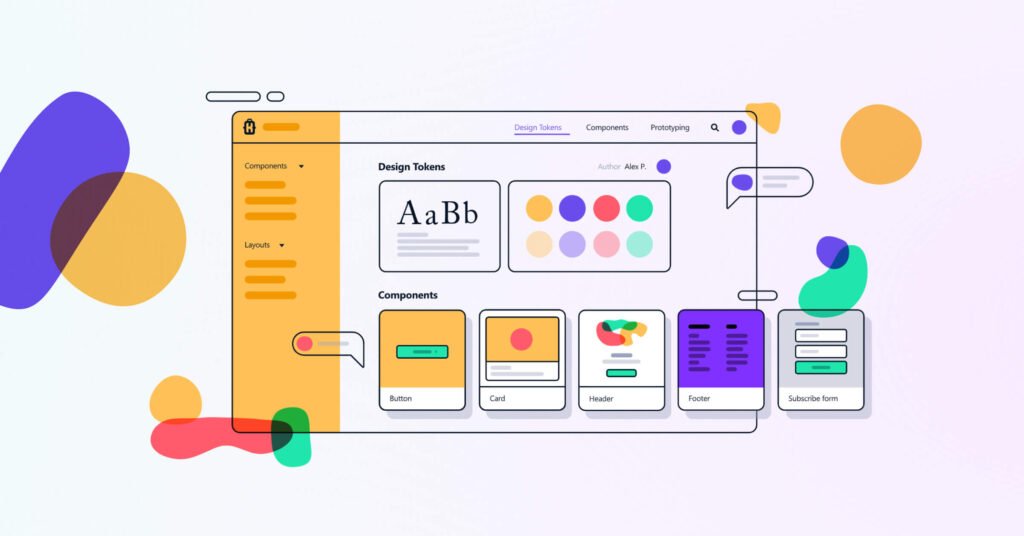
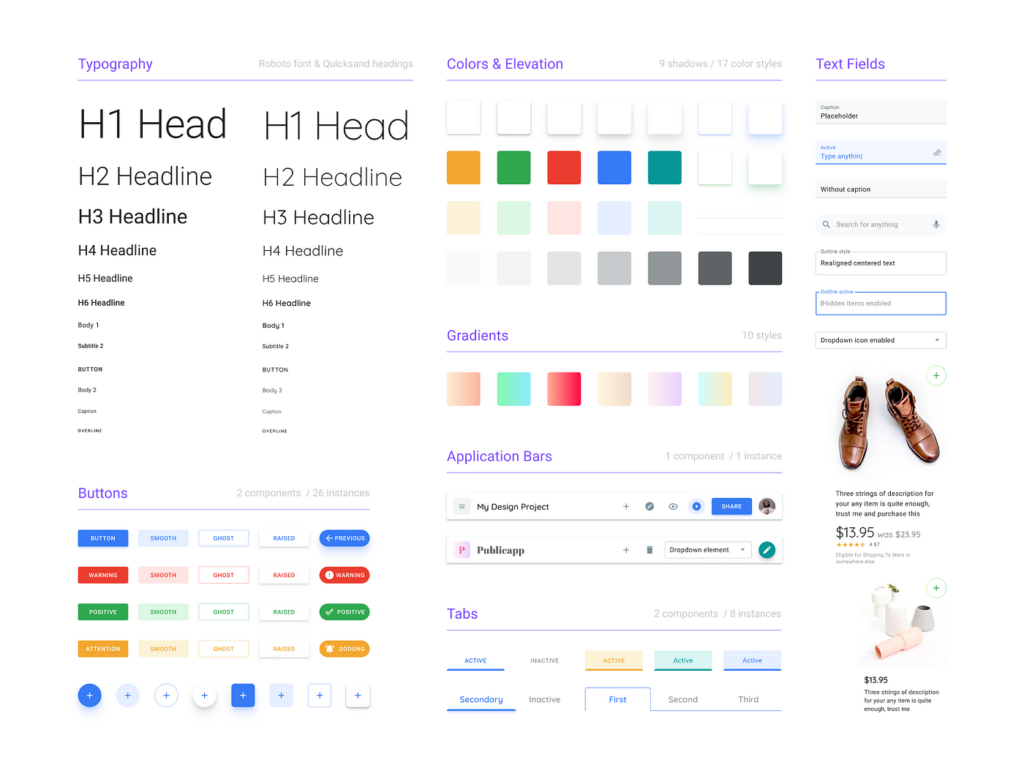
A design system includes several essential components that contribute to creating an exceptional user experience. Here are some key components of a design system:
By using these key components, you can build a strong and coherent design system that makes it easier to create exceptional user experiences.
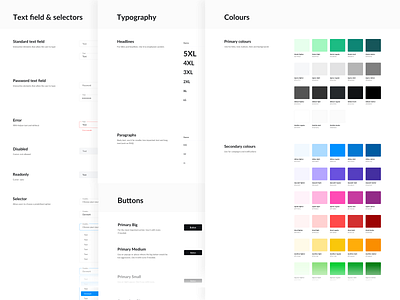
Creating an effective design system requires careful planning and thoughtful consideration. Here are some steps to follow to build an effective design system:
By following these steps, you can create an effective system design that will facilitate the creation of exceptional user experiences.
The successful implementation of a design system requires considering certain best practices. Here are some of the best practices for effective system design implementation:
By following these best practices, you can effectively implement your design system and ensure an exceptional user experience.
There are many examples of successful design systems that have enabled the creation of exceptional user experiences. Here are some case studies of successful design systems:
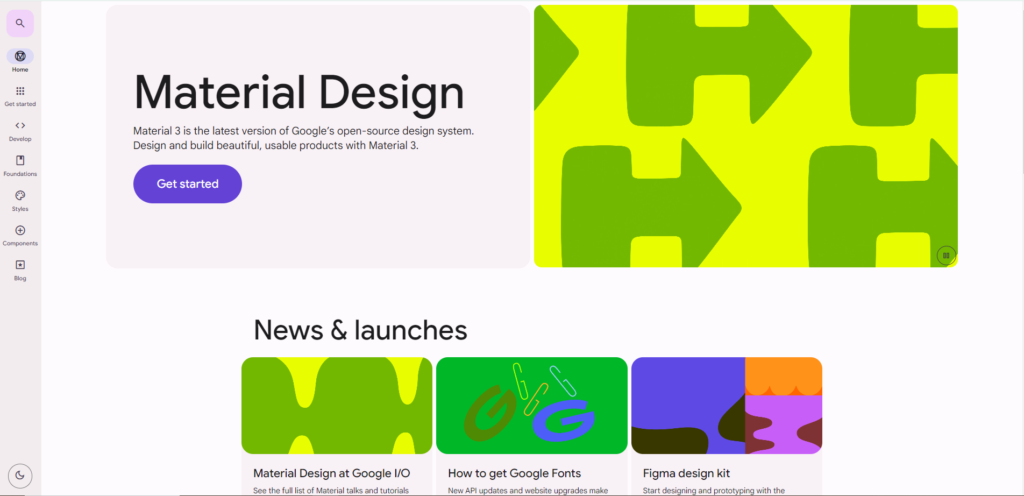
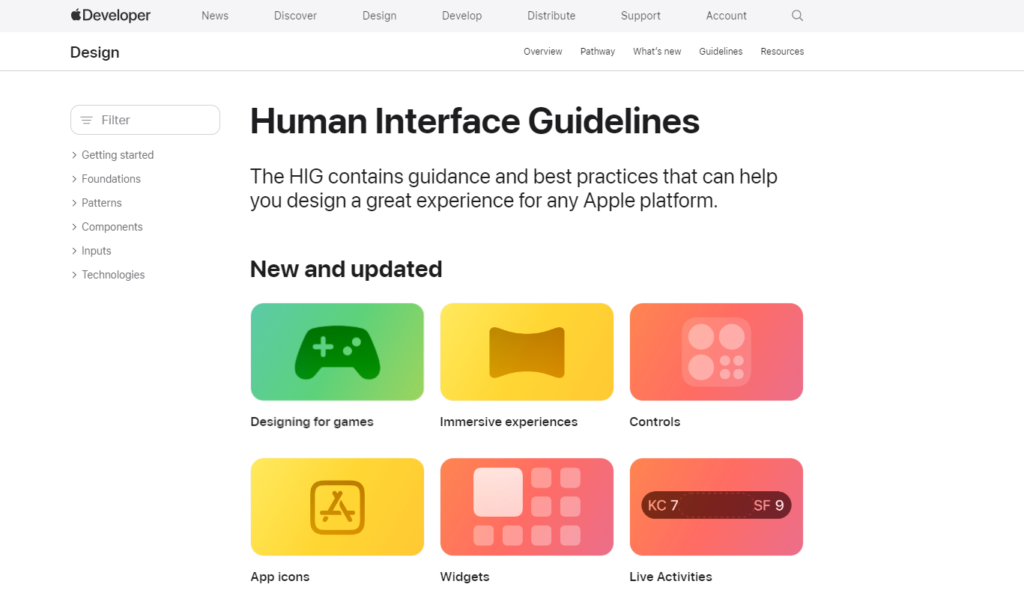
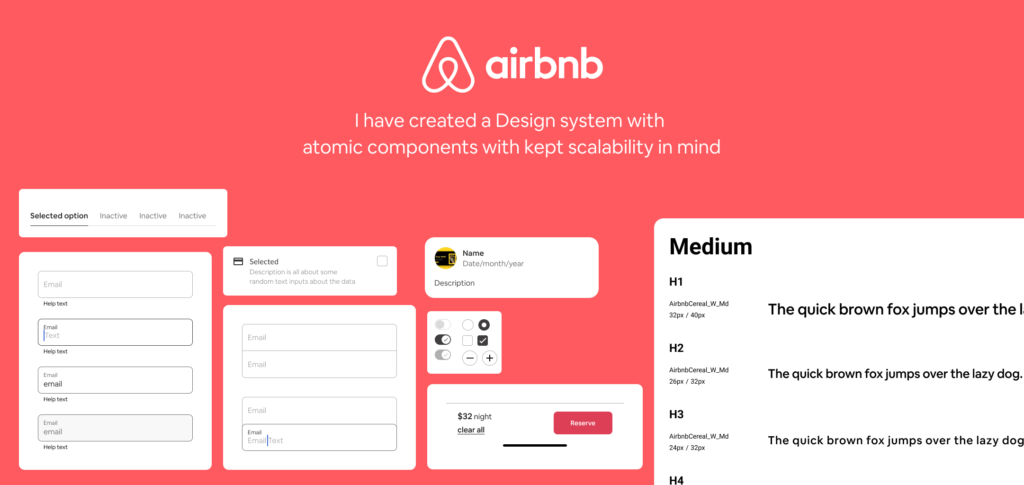
These case studies highlight the importance of system design in creating exceptional user experiences. They demonstrate how a well-thought-out design system can enhance visual consistency, usability, and the overall user experience.
Creating an effective system design requires using the right tools and resources. Here are some popular tools and resources that can help you build a system design:
In addition to these tools, there are many online resources, such as tutorials, templates, and guides, that can help you create an effective system design. Explore these resources to find inspiration and guidance for building your own design system.
System design is constantly evolving to adapt to changing user needs and market trends. Here are some of the current trends in system design:
These trends demonstrate the ongoing evolution of system design to meet users’ needs and expectations. By staying aware of these trends, you can create modern and relevant design systems.
System design plays a crucial role in creating exceptional user experiences. It ensures visual consistency, ease of use, and a top-notch user experience. System design allows you to create a unique visual identity for your brand while providing a solid structure for your products or services.
By following the key principles of system design, using the appropriate components, and implementing best practices, you can create an effective design system that enables the creation of exceptional user experiences.
Don’t forget to use the available tools and resources to help you build your design system, and stay up-to-date with current trends to remain at the forefront of system design.
In conclusion, system design is essential for creating exceptional user experiences. By investing time and effort into building a solid design system, you can stand out from the competition and deliver products and services that captivate and inspire users. So dive into the fascinating world of system design and create truly outstanding user experiences!
Share it

MonDesign Web, your digital marketing agency, dedicated to guiding you to the pinnacle of your online success.



We use cookies to improve your experience on our site. By using our site, you consent to cookies.
Websites store cookies to enhance functionality and personalise your experience. You can manage your preferences, but blocking some cookies may impact site performance and services.
Essential cookies enable basic functions and are necessary for the proper function of the website.
These cookies are needed for adding comments on this website.
Statistics cookies collect information anonymously. This information helps us understand how visitors use our website.
Google Analytics is a powerful tool that tracks and analyzes website traffic for informed marketing decisions.
Service URL: policies.google.com
Marketing cookies are used to follow visitors to websites. The intention is to show ads that are relevant and engaging to the individual user.
Facebook Pixel is a web analytics service that tracks and reports website traffic.
Service URL: www.facebook.com