
In today’s digital world, the concepts of User Interface (UI) and User Experience (UX) have become essential to ensure the success of any digital product or service. UI refers to the visual appearance of a website or application, while UX concerns the overall interaction and feeling a user experiences while navigating. Together, they form the fundamental pillars of modern digital design.
With the proliferation of technology, users’ expectations for digital experiences have increased significantly. An attractive design and intuitive navigation are no longer just advantages—they are necessities for any business looking to stand out in a highly competitive market. Indeed, a poorly designed interface or a disappointing user experience can quickly drive users away, reducing conversion rates and harming a brand’s reputation.
This article aims to explore the crucial importance of UI and UX in today’s context. We will discuss in detail the definitions of UI and UX, their impact on user satisfaction, as well as their influence on business performance. Finally, we will examine current UI/UX trends to understand how they are shaping the future of digital design.
The User Interface (UI design) encompasses all the visual elements with which a user interacts when using a digital product. This includes buttons, icons, typography, colors, images, layouts, and any other graphical aspect that helps users navigate and use an interface. The primary goal of UI design is to make this interaction as simple and enjoyable as possible. It forms the user’s first impression of the product, and as the saying goes, “first impressions last.”
UI designers focus on the aesthetics of the product. They choose color palettes, define font sizes, select images, and design the overall look of the application or website. They must balance visual appeal with functionality to ensure that the user is not only attracted to the product but can also use it effectively and intuitively.
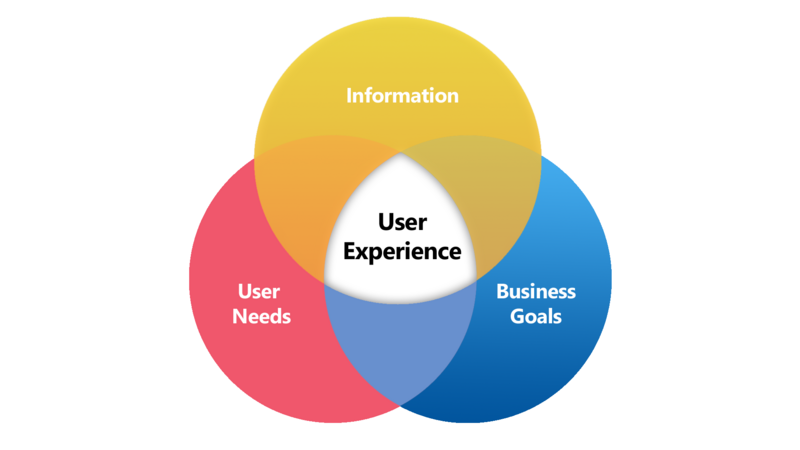
The User Experience (UX design) encompasses all aspects of a person’s interaction with a product, system, or service. UX design is not limited to ease of use; it also includes user satisfaction, the perception of the product’s value, and the effectiveness and efficiency of the interaction.
UX designers are responsible for researching, planning, and designing the user experience. They focus on understanding user needs, creating clear information architectures, and developing smooth user journeys. Good UX design considers every step of the interaction process, from product discovery to repeated use, ensuring that each interaction is seamless, enjoyable, and meets the user’s expectations.
UX design relies on a deep understanding of user behaviors and needs. UX designers use methods such as user interviews, usability testing, and data analysis to inform their work. The ultimate goal is to create a product that not only meets users’ needs but also exceeds their expectations, thereby fostering long-term loyalty.

UI design and UX design play a crucial role in user satisfaction. A well-designed interface and a positive user experience can make the difference between a product that attracts users and one that drives them away. When a user accesses a website or application, they expect the interface to be not only visually appealing but also functional. If the user can navigate easily, find what they are looking for effortlessly, and complete tasks without frustration, they are more likely to be satisfied and continue using the product.
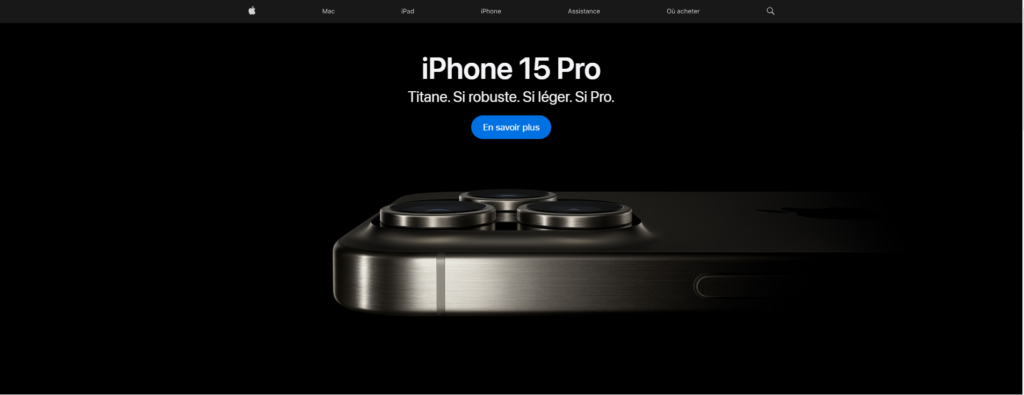
Take the example of Apple, a company often cited for its excellence in UI/UX design. Apple’s design approach is minimalist yet effective, with an intuitive interface and meticulous attention to detail. This combination has not only attracted millions of users worldwide but has also created a level of loyalty among its customers that few other companies can match. Users know they can rely on Apple products to be both aesthetically pleasing and functional, which enhances their overall satisfaction.
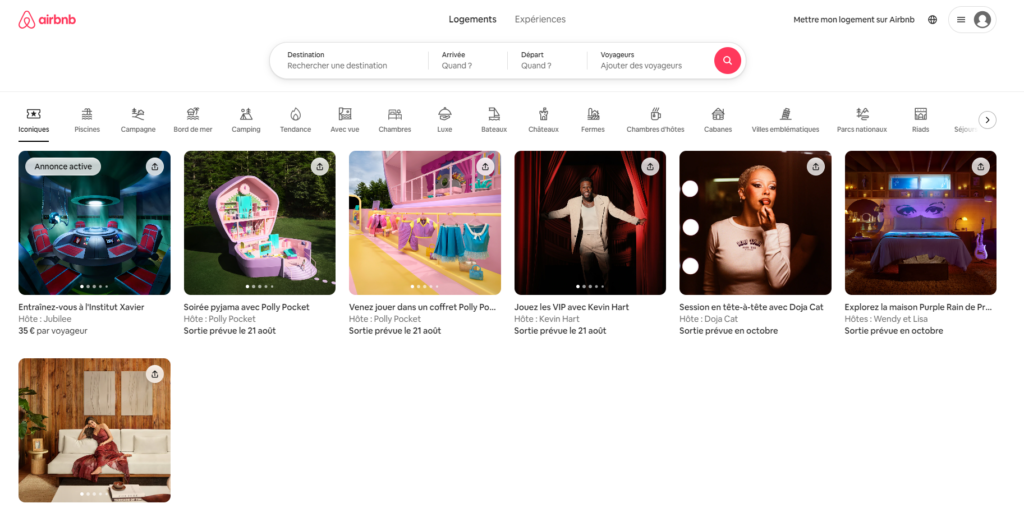
Another example is Airbnb, a vacation rental platform that has revolutionized the hospitality sector through exceptionally well-designed UX design. The user interface is simple, clean, and intuitive, allowing users to search for rentals easily. The user experience goes beyond the interface: features like trust ratings, secure messaging, and smooth payment processes make the overall experience enjoyable and safe. This focus on UX design has enabled Airbnb to become one of the leaders in its market.
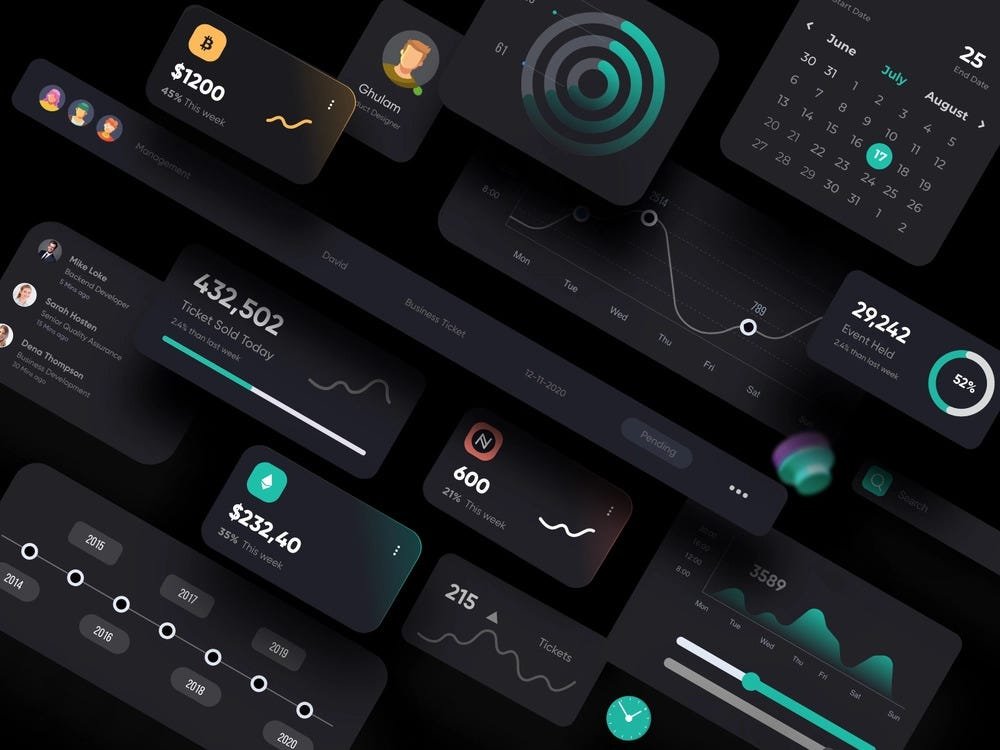
Conversely, poor UI/UX design can have disastrous consequences. A classic example is the failure of the Healthcare.gov mobile application at its launch in 2013. The app was intended to allow Americans to enroll in health insurance, but it was riddled with bugs, difficult to navigate, and the user experience was chaotic. This led to massive user frustration and negative media coverage, forcing the government to completely overhaul the app’s design and development. This example demonstrates that poor UI/UX design can not only harm user satisfaction but also result in significant additional costs to fix the issues.
Investing in good UI/UX design is not just about making a product beautiful or easy to use; it is an investment in user satisfaction, which in turn leads to increased loyalty, positive recommendations, and ultimately, higher revenue. In a saturated market, where users have a wide range of choices, UI/UX can be the differentiating factor that attracts and retains customers.
UI/UX design does not just influence user satisfaction; it also has a direct impact on conversion rates. An attractive design and a smooth user experience can guide users throughout their purchasing journey, reducing friction and increasing the likelihood of conversion. For example, a well-designed checkout page with a simplified process can reduce cart abandonment, a common issue in e-commerce.
Studies show that companies that invest in UI/UX design often see a significant increase in their conversion rates. This is because users are more likely to complete a transaction when they find the process simple, fast, and clear. Good UI/UX design can turn a visitor into a buyer and an occasional buyer into a loyal customer.
Customer loyalty is another crucial area where UI/UX design plays a major role. A customer satisfied with their experience is more likely to return, recommend the product to others, and remain loyal to the brand. Conversely, a poor experience can drive a customer to seek alternatives from competitors.
Companies that succeed in creating a positive user experience often see an increase in customer retention. For example, streaming platforms like Netflix or Spotify invest heavily in the continuous improvement of their UX design to ensure that users can easily find content, enjoy a smooth viewing or listening experience, and remain subscribed long-term.
UI/UX design is not limited to influencing immediate business performance; it also plays a crucial role in building brand reputation. Good UI/UX design can strengthen a brand’s image by making it synonymous with quality, reliability, and user satisfaction. Users often associate a positive experience with a strong brand, which can lead to positive word-of-mouth and increased brand awareness.
Conversely, poor UI/UX design can tarnish a brand’s reputation, even if the core product or service is of high quality. Users frustrated by a bad experience are more likely to share their dissatisfaction, especially on social media, which can negatively impact the public perception of the brand.
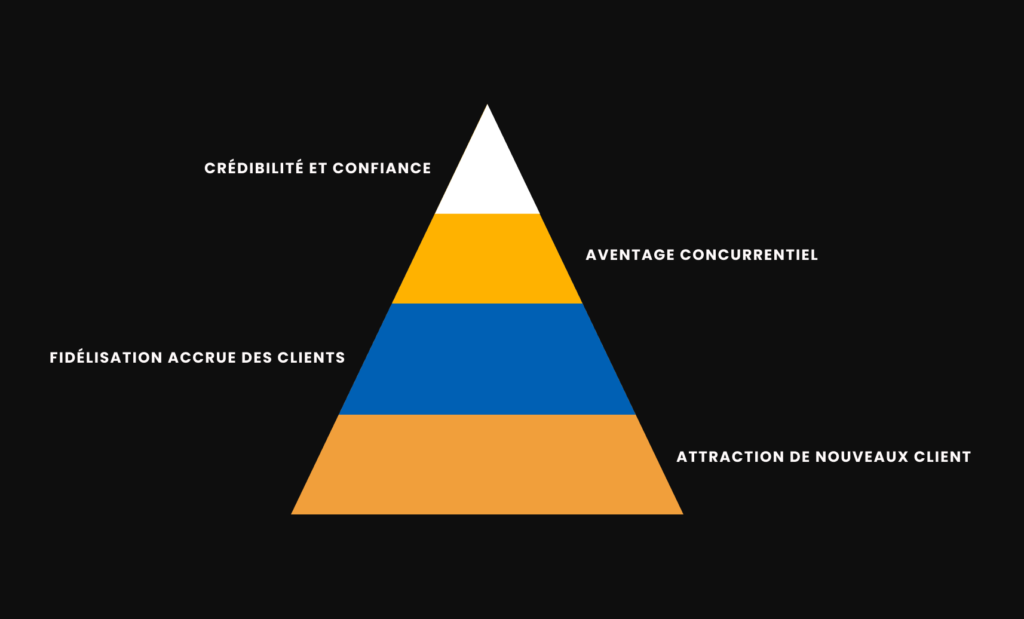
Many brands have thrived thanks to their commitment to high-quality UI/UX design. Take Slack, for example, a business communication platform that has won over millions of users with its intuitive interface and smooth user experience. By offering simple navigation, well-thought-out features, and easy customization, Slack has managed to stand out in a competitive market and build a loyal user base.
Another example is Shopify, an e-commerce platform that allows entrepreneurs to easily create online stores. Shopify stands out for its ease of use, clear interface, and numerous customization options, enabling millions of users to successfully launch and manage their online businesses.

To create an effective UI/UX design, it is essential to understand and master several key components that, together, determine the quality of the user experience.
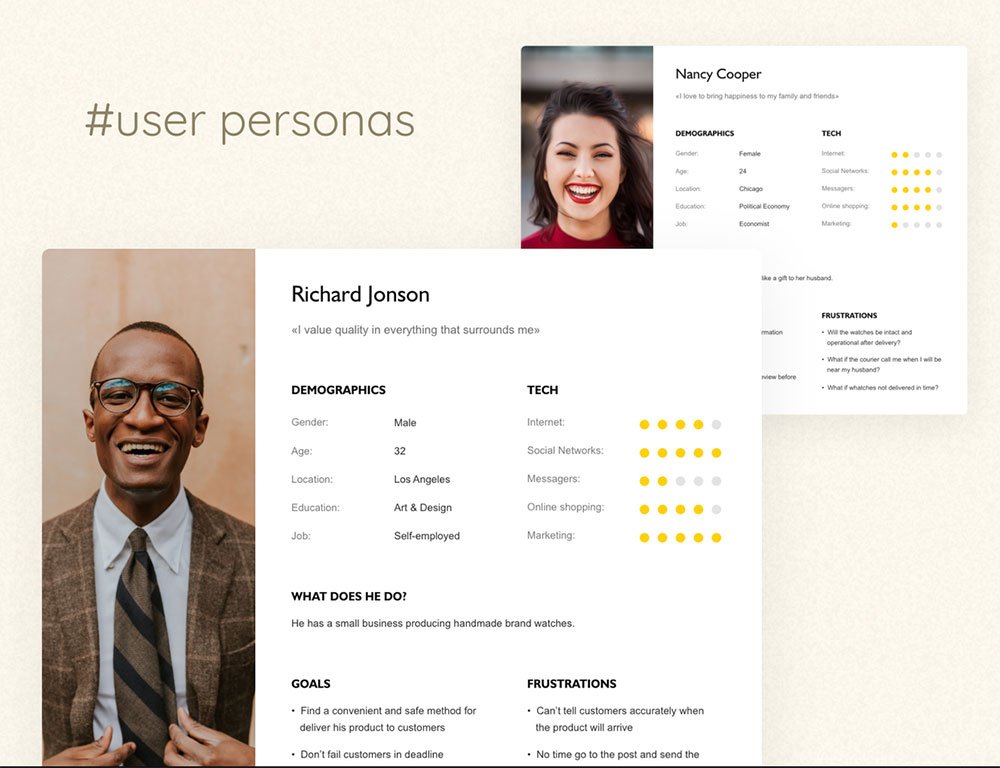
User research is the foundation of good UI/UX design. It involves understanding the needs, behaviors, and motivations of target users. From this information, designers create personas, semi-fictional representations of typical users. These personas guide all design decisions, ensuring that every interface element and every aspect of the experience meets user expectations.
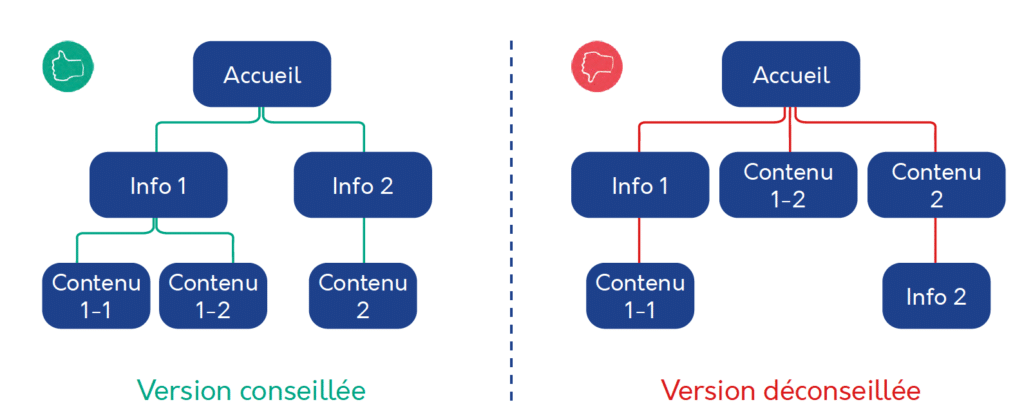
Information architecture (IA) concerns the organization and structure of content to facilitate navigation. Good IA allows users to easily find the information they need without getting lost in a complex structure. This includes content hierarchy, creating clear menus, and implementing intuitive navigation systems.
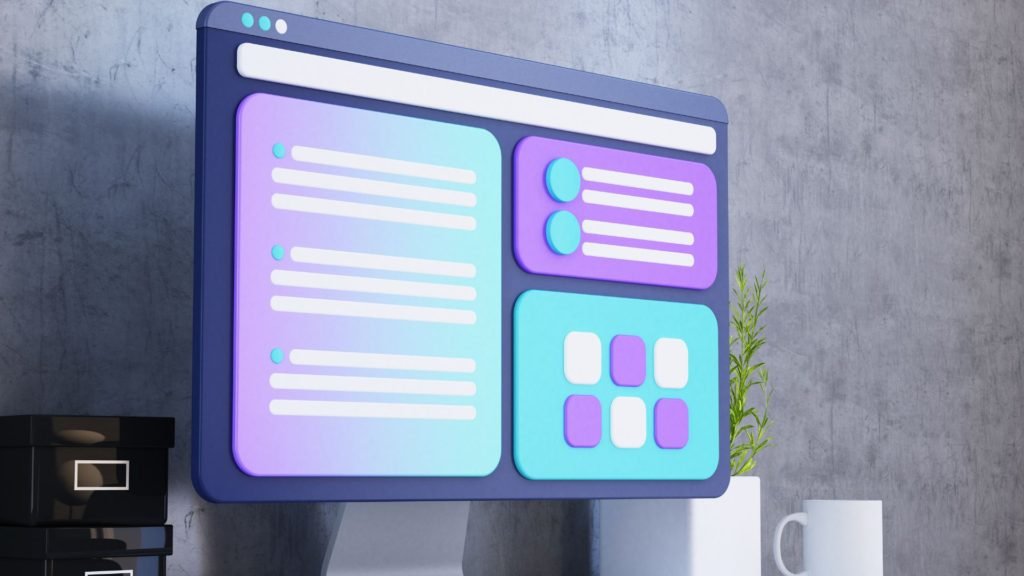
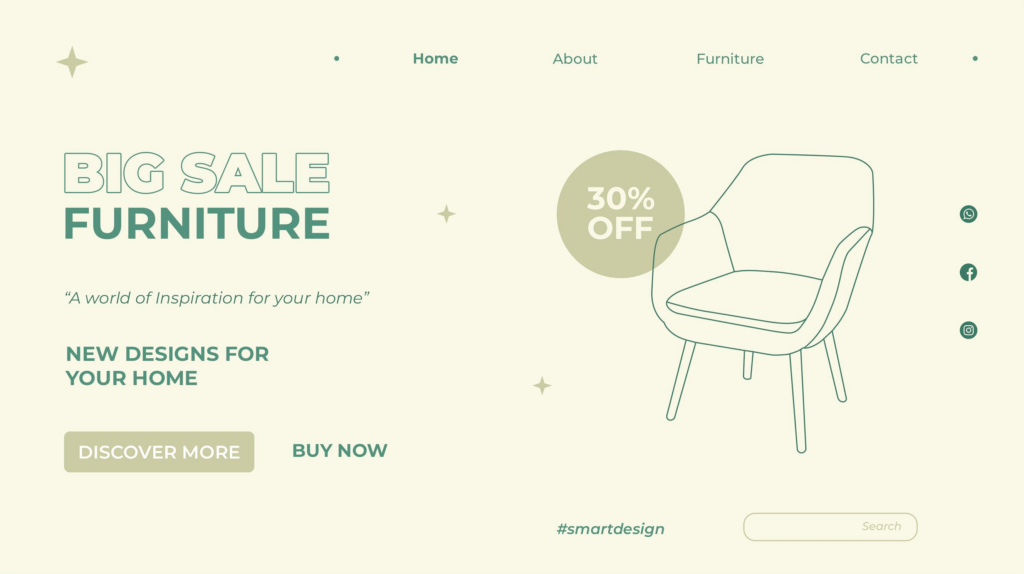
Visual design is what users notice first when interacting with an interface. It encompasses the use of typography, colors, images, and layout to create an attractive and cohesive interface. Good visual design is essential for capturing users’ attention and creating a positive first impression. Additionally, visual consistency across different pages or sections of a product strengthens brand identity and enhances the overall experience.
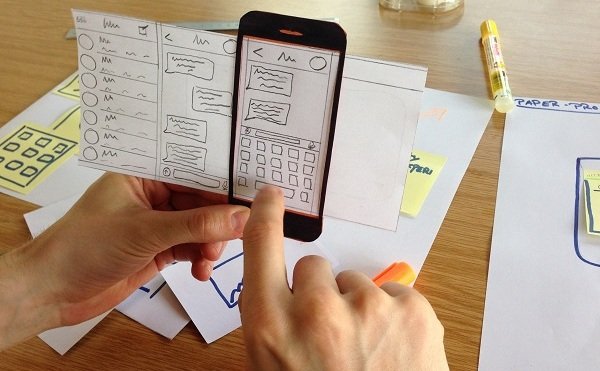
Prototyping allows designers to create interactive versions of the product before its launch. These prototypes are then tested with real users to identify friction points and opportunities for improvement. User testing is a crucial process for validating design decisions and ensuring that the interface functions as intended in real-world situations.
Accessibility is a key component of UI/UX design that aims to make interfaces usable by as many people as possible, including those with disabilities. This includes designing for visual, auditory, motor, or cognitive impairments and ensures that digital products are inclusive and equitable for everyone. Good accessibility design improves the experience for all users, not just those with specific needs.

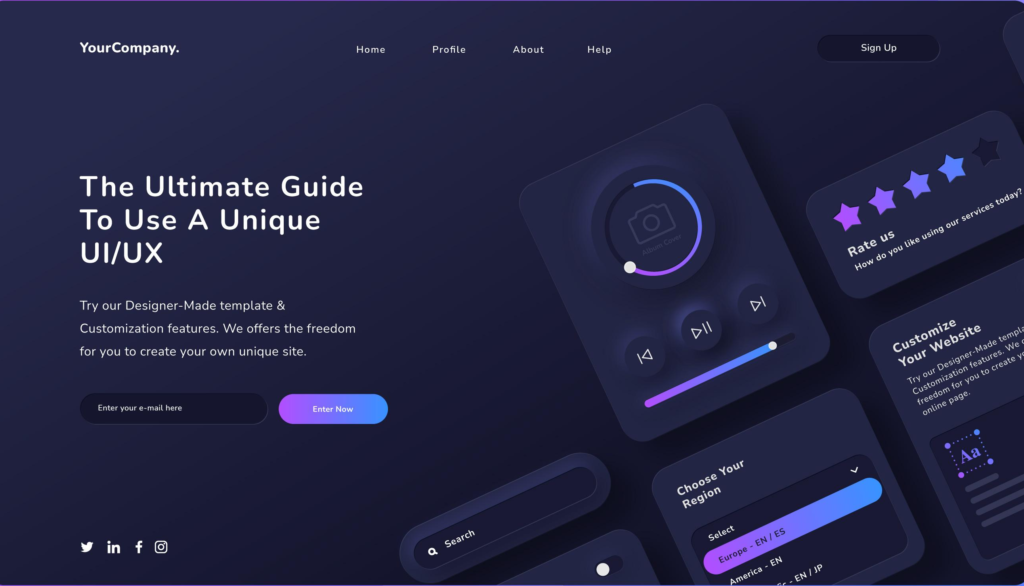
UI design is constantly evolving, influenced by technological advances, user preferences, and design innovations. Currently, several trends dominate the field of UI design:

Similarly, UX design continues to evolve to meet users’ changing needs. Current trends include:
When properly implemented, these trends can significantly increase user engagement. Minimalist design, for example, makes navigation easier and reduces cognitive overload, while personalization creates a deeper connection with the user, making the experience more relevant and enjoyable. Micro-interactions add a layer of delight and dynamism, making the interaction more memorable.
UI design and UX design are not just technical aspects of digital development; they are the very foundations of user satisfaction and business success. A well-designed user interface catches the eye, while an excellent user experience fosters customer loyalty and encourages repeat engagement. In a world where competition is fierce and users are increasingly demanding, investing in high-quality UI/UX design is not just recommended—it is essential.
Current trends show that the future of UI/UX is promising, with increased focus on personalization, accessibility, and innovation. Companies that strive to stay at the forefront of these trends while focusing on their users’ needs are the ones that will succeed in standing out.
In conclusion, whether you are a start-up looking to enter the market or an established company aiming to improve your products, investing in UI design and UX design is a strategic choice that brings lasting benefits. Thoughtful design and a well-crafted user experience not only lead to higher sales figures but also foster a richer and more enduring relationship with your users.
This article provides a comprehensive overview of the importance of UI and UX in today’s digital landscape, exploring their impact on user satisfaction, business performance, and future trends. By investing in these areas, companies can not only enhance their users’ experience but also ensure long-term success.

MonDesign Web, your digital marketing agency, dedicated to guiding you to the pinnacle of your online success.



We use cookies to improve your experience on our site. By using our site, you consent to cookies.
Websites store cookies to enhance functionality and personalise your experience. You can manage your preferences, but blocking some cookies may impact site performance and services.
Essential cookies enable basic functions and are necessary for the proper function of the website.
These cookies are needed for adding comments on this website.
Statistics cookies collect information anonymously. This information helps us understand how visitors use our website.
Google Analytics is a powerful tool that tracks and analyzes website traffic for informed marketing decisions.
Service URL: policies.google.com
Marketing cookies are used to follow visitors to websites. The intention is to show ads that are relevant and engaging to the individual user.
Facebook Pixel is a web analytics service that tracks and reports website traffic.
Service URL: www.facebook.com